



Source: Al-Wafd Newspaper
Prof. Dr. Ali Mohammed Al-Khouri
The Arab economy is undergoing a delicate phase of transformation, where global crises intertwine with regional challenges. Unstable energy markets, persistently strained global trade, and the growing influence of new industrial centers in Asia on global markets are all contributing to a shift in the balance of the international economy. In this volatile landscape, the Arab region needs a resilient and evolving economic model based on the principles of diversification, production, and knowledge.
The changing international landscape
It is clear that the global economy is undergoing a gradual shift in centers of economic influence. China and India have become leading drivers of production, technology, and investment, while blocs such as BRICS and the Shanghai Cooperation Organisation are expanding cooperation among emerging economies. This transformation is reshaping the global growth landscape and offering countries broader options for building new partnerships outside of traditional Western influence.
Arab economies are directly affected by these transformations. The reliance of many countries in the region on oil and gas exports makes their budgets dependent on global energy prices. More than two-thirds of government revenue in some Gulf states still comes from the energy sector, meaning that any decline in demand or tightening of emissions reduction policies will significantly impact financial stability.
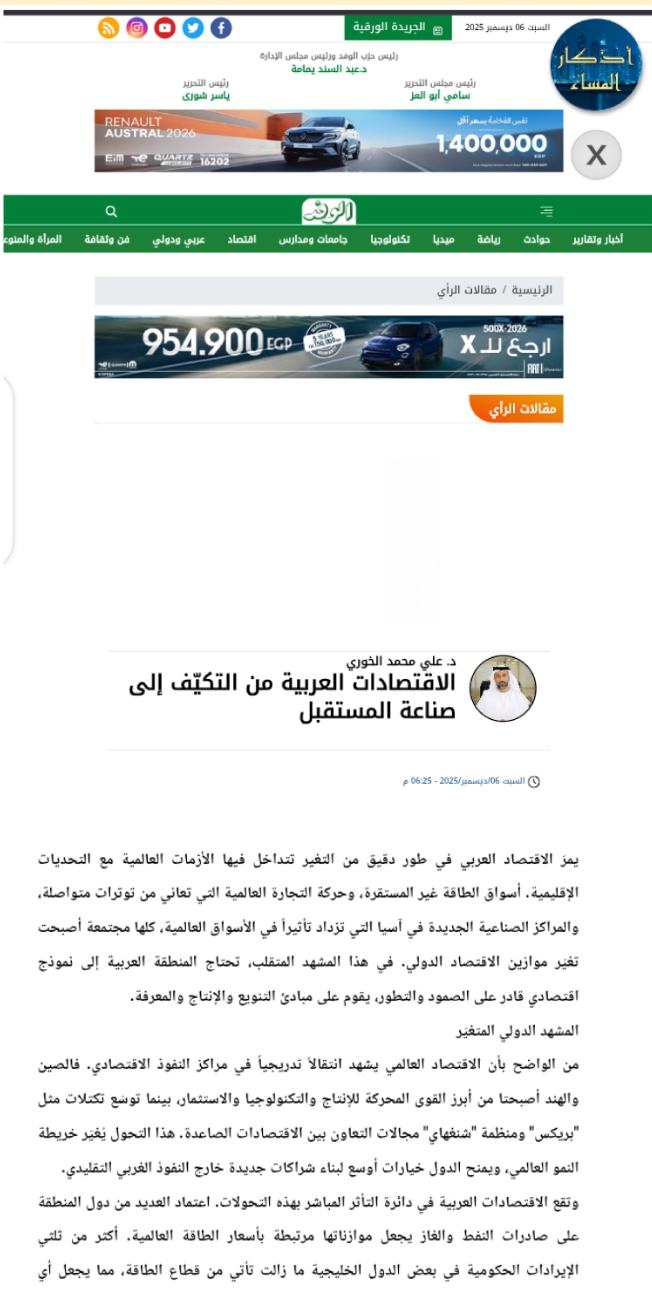
Geopolitical instability in maritime transit areas – such as the Black Sea and the South China Sea – increases transportation and insurance costs, which impacts global trade, especially in countries that rely on importing basic materials and exporting energy through these routes.
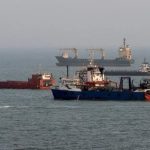
Despite these challenges, the global transformation in several areas presents significant opportunities for the Arab region. For example, the expansion of renewable energy and green hydrogen could form the basis for a new phase of growth and give Arab economies a leading position in the future energy landscape, especially if this trend is linked to clear policies for scientific research and local manufacturing.
Regional conditions and weak integration
The Arab economic environment continues to face political and security crises in several countries, such as Yemen, Syria, Libya, and Sudan. These conflicts drain resources and weaken investor confidence. Furthermore, limited cooperation among Arab states reduces the prospects for building an integrated regional market. Intra-Arab trade constitutes only about 10% of total Arab trade, a very low percentage compared to the levels achieved by the European Federation, where intra-regional trade exceeds 60% of its total trade volume. This disparity illustrates the extent of the gap in economic integration and the potential for Arab cooperation if the necessary political will and effective institutional framework were in place.
At the same time, food and water security are under increasing pressure. Water scarcity, drought, and shrinking arable land pose existential challenges for some countries. Heavy reliance on food imports makes the region vulnerable to global price fluctuations. Therefore, cooperation in modern agriculture and water management is becoming essential for sustained and stable development.
Strengths and competitive opportunities
Despite these challenges, the Arab region possesses strong assets that can form the basis for economic development. It has the world’s largest oil reserves and a high percentage of natural gas, in addition to a geographical location linking Asia, Europe, and Africa, through which a large part of the global energy trade passes.
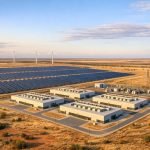
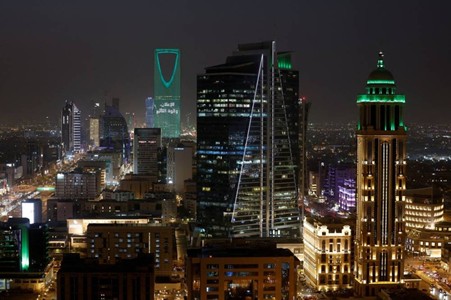
Human capital represents another important asset, as the majority of the region’s population is young. This human potential can drive development if invested in through skills-based education, technology training, and entrepreneurship. Some Arab countries have already begun in this direction, such as the UAE, Saudi Arabia, and Morocco, which have expanded in the fields of technology, clean energy, tourism, and modern industry, while the remaining Arab countries are still in the process of translating development plans into tangible, implementable production programs.
Deep challenges
Unemployment rates in the Arab region remain high, exceeding 30% in some countries. Poverty is widespread, and spending on scientific research does not reach one percent of GDP. These figures reflect a weak capacity to build a diversified knowledge-based economy.
The rentier nature of Arab economies continues to constrain sustainable growth. Reliance on natural resources without developing value-added industries and services makes these economies more vulnerable to global price fluctuations. Furthermore, bureaucracy, excessive government procedures, and a lack of transparency hinder both domestic and foreign investment, limiting the private sector’s ability to expand and innovate.
Steps towards economic transformation
The necessary change cannot be achieved through superficial solutions, but rather through comprehensive plans that restructure the relationship between education and production, and pave the way for innovation and regional integration. Reducing dependence on oil is essential, and this can be achieved by developing manufacturing industries, modern agriculture, and sustainable tourism. Integrating technology into the management of public and private institutions contributes to reducing costs and improving performance. Furthermore, Arab cooperation in the fields of energy, food, water, and data can create a broad economic network capable of withstanding external crises.
Diversifying partnerships with Asia, Africa, and Latin America can give Arab economies greater resilience and unlock new opportunities in infrastructure and green technologies. However, investment in human development remains the foundation for any genuine transformation. The first step begins with the education system, which must be transformed into a tool for building skills and fostering creativity through applied programs directly linked to the labor market and entrepreneurial ventures.
Future vision
The Arab economy faces formidable challenges, but it also possesses a rare opportunity to rebuild itself on new foundations. The next phase requires clearer and more stable policies, and institutions with genuine authority to manage development and oversee its implementation. Transparency in resource management and a commitment to good governance are the path to restoring confidence and building a strong economic base.
The Arab region possesses everything it needs to be an active partner in the global economy if it can transform its natural and human resources into genuine productive power. However, it must be understood that Arab national economies will not advance solely through their resources, but also through the ability of their societies to manage them consciously and efficiently. The world is undergoing rapid change, and those who lag behind or fail to consciously keep pace with this change will lose their place in the flow of history.
Arab states have an opportunity to move from a phase of adapting to crises to one of shaping their own future through policymaking. The next phase requires a development project that makes knowledge and production the foundation of a new economic power in the region.