



Cairo
Source: Al-Wafd Newspaper
Prof. Dr. Ali Mohammed Al-Khouri
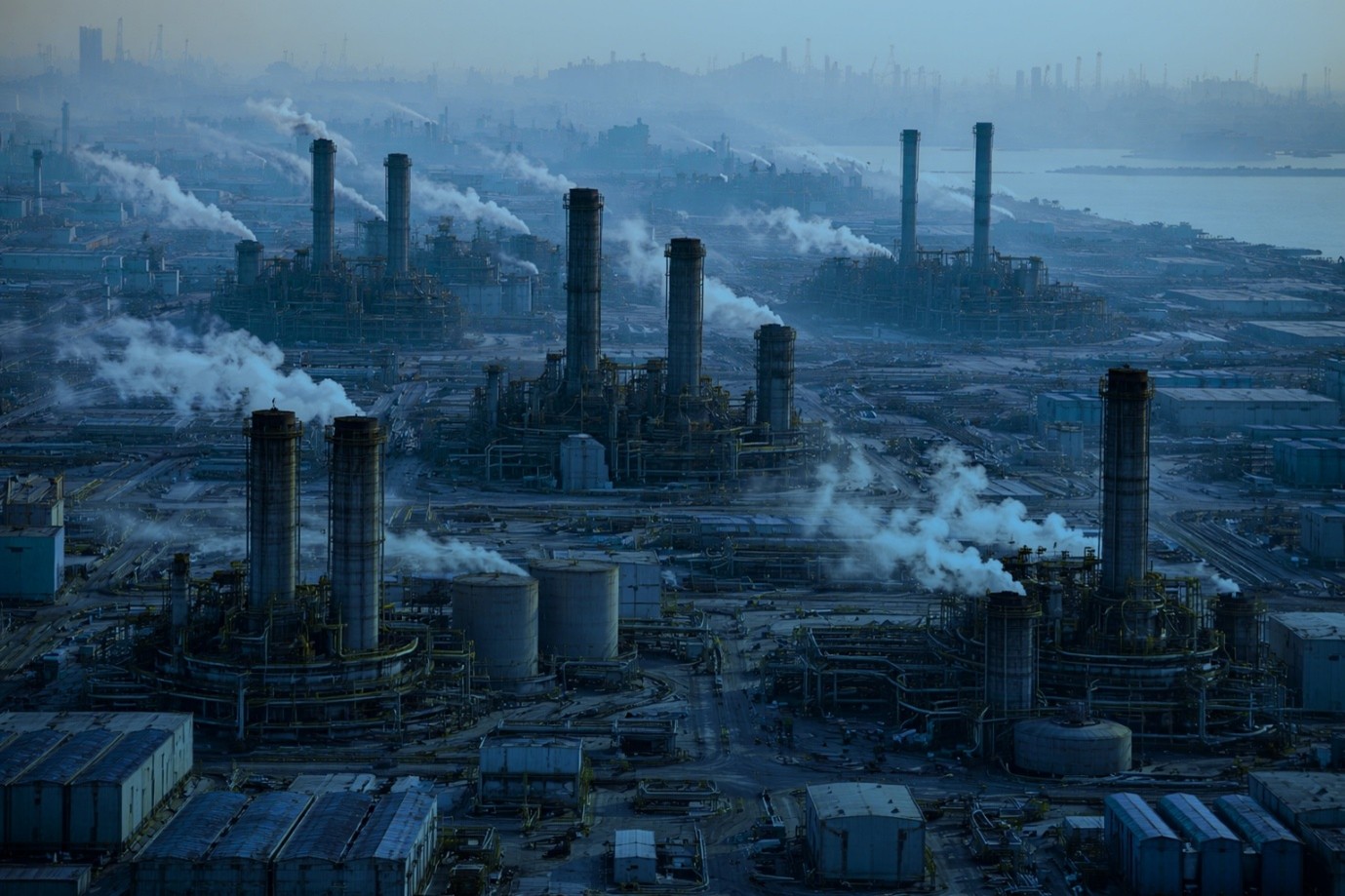
The Arabian Gulf is one of the most sensitive and influential regions in the world, not only because of its vast hydrocarbon reserves, which form a cornerstone of the global energy system, but also because of its geographical location connecting East and West, making it a key hub in international trade. These characteristics have given it a significant role in the balance of power at both the regional and international levels, to the point that it has become a key player in everything related to the future of energy, security, and global stability.
However, the rapid shifts in security and economic contexts are forcing the Gulf states to reconsider their priorities and formulate new visions that are consistent with the nature of the challenges and opportunities created by the changing international order.
Gulf security and new risks
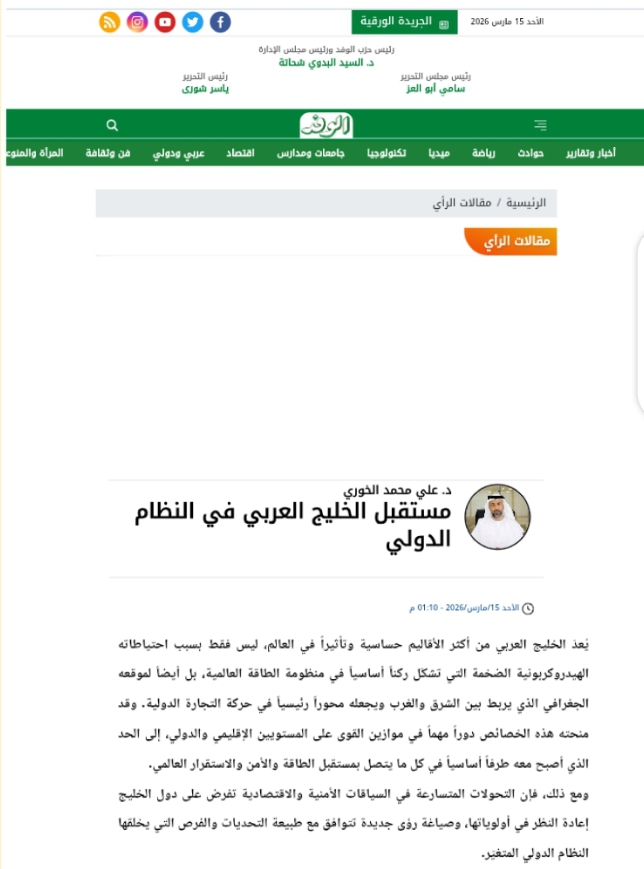
The concept of security in the Gulf has long been linked to protecting oil fields and vital maritime routes such as the Strait of Hormuz and Bab el-Mandeb, considered arteries of the global economy. However, the current security landscape is far more complex, with unconventional threats coming to the fore, from cybersecurity to transnational terrorism, including modern military technologies that are transforming the nature of regional conflicts.
These challenges have compelled the Gulf states to reconsider their security doctrines and invest in building a balanced mix of traditional defense partnerships with Western powers and engagement with rising powers such as China, Russia, and India. Amid this evolving landscape, new, more independent policies have emerged, based on preventive diplomacy and a desire to play a mediating role in regional conflicts, from Yemen to the negotiations between Tehran and the West, and even Arab reconciliations, in an effort to solidify the Gulf’s role as a pillar of regional stability.
development model
Economically, it has become clear that excessive reliance on oil is no longer sustainable in light of the global shift towards clean energy and a green economy. Therefore, the Gulf states have launched ambitious initiatives to restructure their economies, such as Saudi Arabia’s Vision 2030 and the UAE’s Fifty-Year Strategy, which aim to build diversified economies capable of competing in the fields of technology, artificial intelligence, and digital transformation.
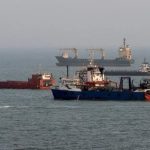
Ports and major logistics lines have become part of a new strategic competition, as the Gulf states move towards building transport and trade systems that make them a major hub on the global trade map, along with quality investments in the financial technology, renewable energy and smart agriculture sectors, reflecting economic flexibility that transcends geographical boundaries.
Security and the economy
The relationship between security and the economy is no longer linear as it once was. Today, energy security includes protecting oil facilities, as well as electricity grids and renewable energy sources, from cyberattacks.
Food security has become a fundamental dimension of Gulf policies, with countries striving to secure supply chains through investment in smart agriculture both domestically and through long-term international partnerships. Climate change presents a compounding challenge, posing both security and economic risks due to its potential threats to infrastructure, natural resources, and social stability.
New roles in the region and the world
At both the regional and international levels, the Gulf states are adopting a more ambitious role in shaping the region’s future. They are moving towards building an integrated Arab economic and security system capable of absorbing current transformations, while simultaneously seeking to consolidate strategic partnerships with neighboring countries in the fields of energy, transportation, and technology.
Globally, the Gulf states present themselves as a middle power between East and West, capable of balancing conflicting interests in a time of American-Chinese and Russian-European competition, benefiting from their position as a major energy source and as a global financial center whose role in the international system is growing.