



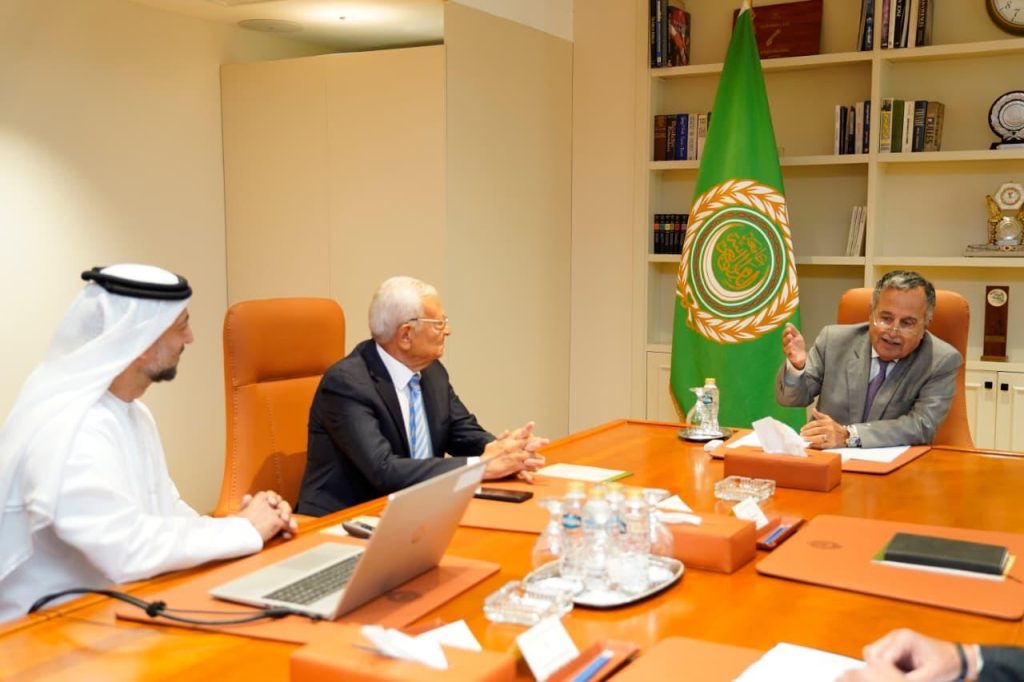
Cairo, August 23 / WAM /
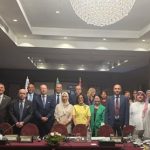
His Excellency Nabil Fahmy, Secretary-General of the League of Arab States, discussed with the leaders of the Arab Federation for Digital Economy the future of the Arab economy in light of the rapid transformations led by artificial intelligence and modern technologies, and the new requirements they impose on Arab countries in the areas of growth, investment, technology production, the data economy and human capacity development.
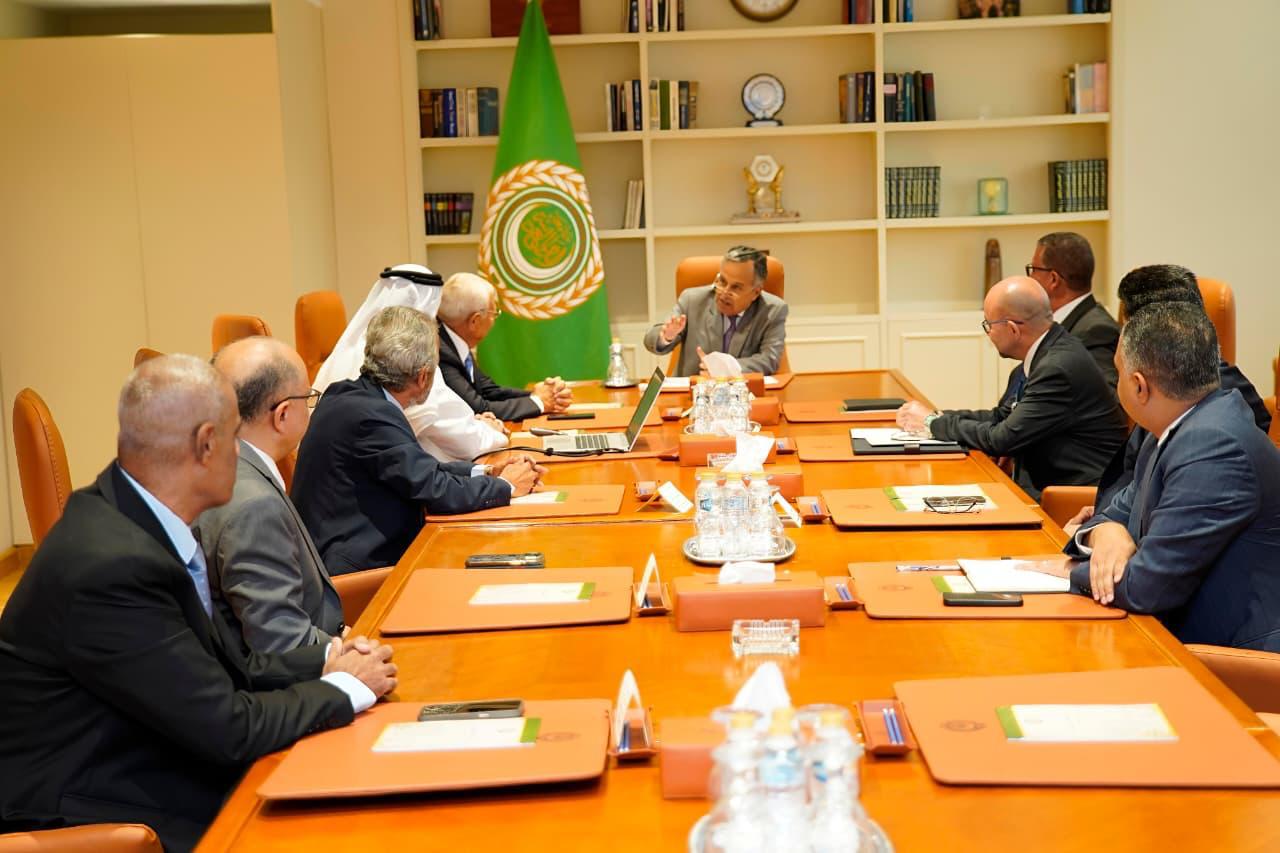
This came during a meeting held at the headquarters of the General Secretariat of the League of Arab States in Cairo, which addressed the challenges and opportunities facing Arab economies during the next stage, and the role of joint Arab action institutions in supporting the ability of countries to benefit from technological transformations, in addition to a number of initiatives and projects that the Arab Federation for Digital Economy is working on.
The meeting addressed the importance of developing more effective models for joint Arab action, combining vision, policies, projects, investment and international partnerships, and enabling the transformation of needs identified by countries into practical, implementable and measurable initiatives.
During the meeting, His Excellency Dr. Ali Mohammed Al-Khouri, Chairman of the Board of Directors of the Arab Federation for Digital Economy, reviewed the Federation’s progress and the most prominent initiatives and projects it has developed in the fields of digital economy, investment, food security, education and international cooperation. He also discussed the Arab vision for the digital economy and its stages of development since its launch with the support of the United Arab Emirates, and what it included in terms of strategic directions to build an Arab economy that is more capable of benefiting from digital transformation, technology and data, leading up to its adoption at the level of the Arab Summit.
The Arab Digital Economy Index, developed by the Federation to measure the performance of Arab countries in the areas of the digital economy, identify gaps and priorities, and provide a knowledge base that helps governments and decision-makers direct policies and investments towards the areas that have the greatest impact on growth and competitiveness, was also reviewed.
The presentation included a reference to a number of projects that the Federation is working on, including the Arab Food Market and the “Mahaseel” project in the areas of agricultural trade, value chains and food security, in addition to digital education and training initiatives aimed at developing skills and linking them to the needs of labor markets and the new economy.
The “Madar” initiative – the Arab Projects Portal – was reviewed. It aims to provide a platform to showcase projects and investment opportunities for Arab countries and connect them with international companies, investors, and institutions, thereby helping to attract global capital, technology, and expertise to priority projects.
Al-Khoury explained that the Federation is working to utilize its network of international relations and partnerships to open new channels for Arab countries to access global investors, markets, and companies, and to develop partnership and financing models that allow for increased private sector and foreign investment contribution to development projects. He stressed that the priority during the next stage is to move from visions and initiatives to projects and partnerships that are feasible and measurable, thus linking the digital economy more closely to the goals of growth, development, and creating economic value in Arab countries.
The meeting, which was attended by Dr. Ayman Ghoneim, Assistant Secretary-General of the Federation, witnessed extensive discussions about the transformations that artificial intelligence will bring about in the economy and society during the coming decades, and what it requires in terms of early Arab preparedness for the expected changes in labor, education, production, services, trade and investment markets.
The importance of developing interoperability between Arab digital systems and platforms was discussed, which would allow for the exchange of data and services and more integrated work across borders, and support digital trade and services and economic integration between Arab countries.
His Excellency Engineer Atef Helmy, Chairman of the General Assembly of the Arab Federation for Digital Economy, pointed to the importance of benefiting from the experiences, initiatives and partnerships that the Federation has developed over the past years, and employing them more broadly to serve the priorities of the Arab countries within the framework of joint Arab action. He said that integration between Arab institutions represents an important factor in accelerating the implementation of projects and benefiting from available resources and expertise, especially in light of the economic and technological transformations that require higher levels of coordination and joint institutional work.
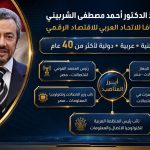
In this context, His Excellency Dr. Ahmed Al-Sherbini, Secretary-General of the Arab Federation for Digital Economy, affirmed that the next phase will focus on developing the Federation’s projects into programs that can be expanded across the Arab world, and linking the initiatives more closely to the needs of countries and their economic and developmental priorities, in coordination with the relevant departments in the League of Arab States and partner institutions. He pointed out that the success of digital initiatives is linked to their ability to achieve measurable economic and social results, and to create practical pathways that bring together governments, the private sector, and international institutions around projects that serve the development goals in the region.