




Cairo
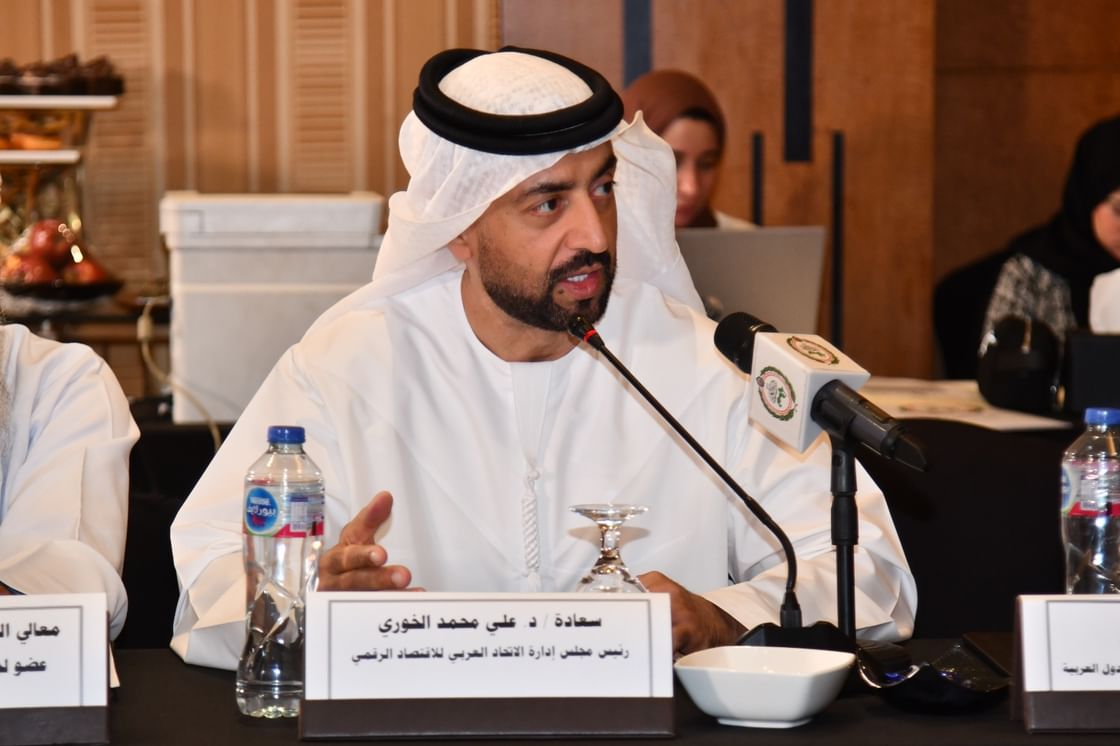
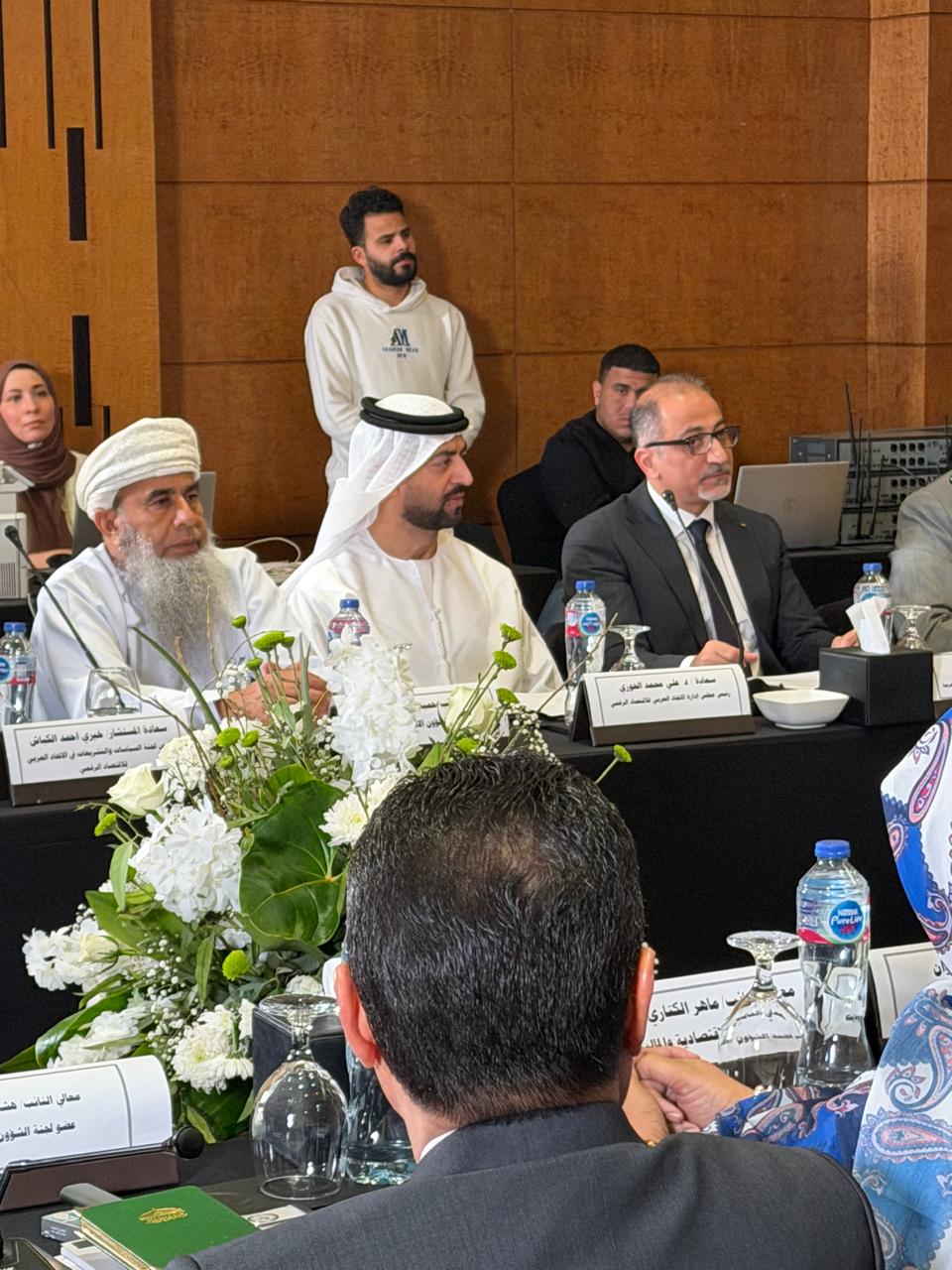
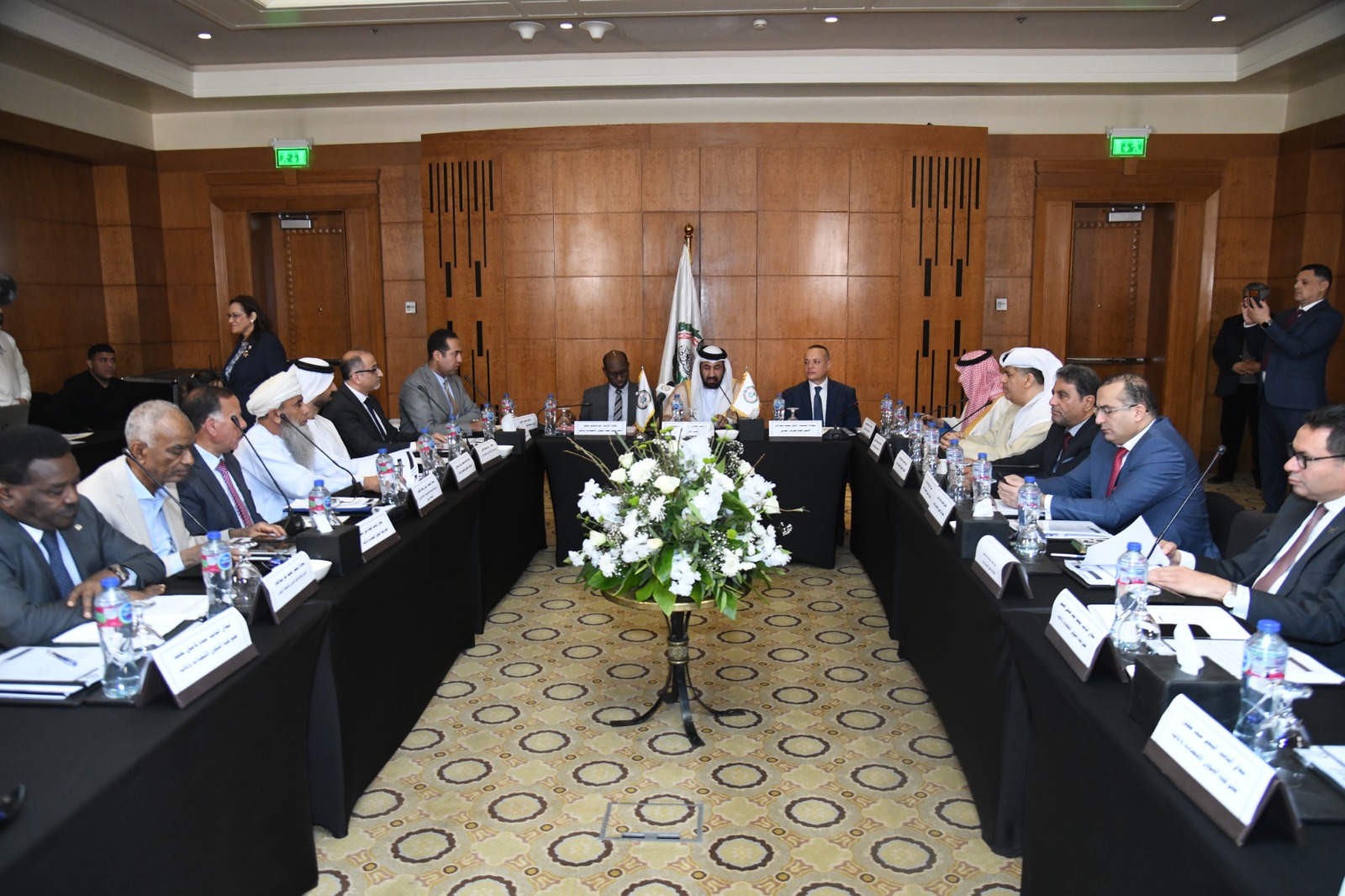
During the participation of the Arab Federation for Digital Economy in the meetings of the Committee on Financial and Economic Affairs in the Arab Parliament, and in the presence of His Excellency Mohammed Ahmed Al Yamahi, Speaker of the Parliament, His Excellency Dr. Ali Mohammed Al Khouri, Advisor to the Council of Arab Economic Unity and President of the Arab Federation for Digital Economy, delivered a speech in which he addressed the rapid technological transformations and their repercussions on the legislative and developmental systems in the Arab countries.
Dr. Al-Khouri pointed out that the world is witnessing an unprecedented stage of reshaping production patterns, decision-making, and economic building, driven by artificial intelligence applications and emerging technologies, stressing that the ability of countries to achieve stability and growth has become directly linked to the extent to which their legislative frameworks are ready to accommodate these transformations.
He explained that global parliaments are facing a fundamental challenge in the widening gap between the speed of innovation and the slowness of legislation, at a time when laws are being formed at a deliberate pace while the world is being reshaped at the pace of algorithms and smart systems, which requires legislative institutions to adopt more flexible and proactive approaches.
The President of the Arab Federation for Digital Economy reviewed a set of legislative axes that form the core of the global digital transformation, foremost among them the regulation of artificial intelligence, stressing that the current stage requires the adoption of an “Arab Digital Charter” that balances encouraging innovation and protecting societies, and establishes clear frameworks for transparency, accountability and preservation of truth in digital environments.
On the subject of data protection, Dr. Al-Khouri noted that data has become the most important strategic asset and the cornerstone of digital sovereignty in the twenty-first century, warning that the absence of unified Arab legislation on privacy will keep Arab economies in the position of the weaker party in the face of cross-border models and legislation that do not take into account national privacy.
He also addressed the importance of cybersecurity as one of the pillars of modern national security, noting that the interconnectedness of electronic systems makes any limited technical malfunction capable of causing widespread disruptions in financial markets, trade chains and service infrastructure, with losses exceeding in their effects what major natural disasters might cause, calling for binding Arab legislation to enhance the resilience of vital sectors.
In the context of the governance of digital platforms, he stressed that these platforms have acquired economic and informational influence that transcends national borders, which necessitates the development of an integrated Arab model to regulate their monopolistic practices, ensure fair competition, and preserve national digital sovereignty.
He addressed the growing challenges related to digital disinformation and content wars, considering that the digital space has become a central arena for conflicts, building narratives and influencing public opinion, which calls for enacting clear legislation to define the legal responsibility of platforms and protect social security.
He also reviewed the profound transformations in the labor market resulting from the platform economy and automation, calling for the building of a modern Arab legislative system that guarantees the rights of workers in the digital economy and limits the social effects of technological transformation, in parallel with the development of advanced frameworks for digital identity and e-government services as pillars of modern governance.
In the area of digital trade and financial technology, Dr. Al-Khouri stressed that the opportunity is available for Arab countries to build independent regional digital markets capable of international competition, provided that they develop coordinated regulatory frameworks that preserve monetary sovereignty and limit the leakage of capital through platforms not subject to national regulation.
He also noted the environmental dimension of digital transformation, warning of the increasing cost of digital infrastructure in terms of energy and water consumption and the accumulation of electronic waste, calling for the alignment of digital legislation with environmental sustainability goals and global trends in carbon policies.
Dr. Al-Khouri referred to the Arab Vision for the Digital Economy initiative, which was approved by the Arab Summit in 2022, as a strategic framework for modernizing public policies and building Arab digital economic systems based on knowledge and innovation, appreciating the support provided by the United Arab Emirates for this initiative under the patronage of His Highness Sheikh Mohammed bin Zayed Al Nahyan, President of the State, may God protect him.
In closing, he announced the Arab Federation for Digital Economy’s initiative to form a Digital Policies and Legislation Committee, chaired by His Excellency Counselor Khairy Al-Kabash, to provide model legislative frameworks and support Arab parliaments and governments with technical expertise and specialized studies. He emphasized the Federation’s full readiness to cooperate with the Arab Parliament to harmonize laws with the requirements of the digital economy and support legislative bodies to transform the goals of digitization and the digital economy into effective legal frameworks with a real impact on Arab economies and societies.