



Dubai
The Seamless Middle East 2026 Conference and Exhibition, held under the patronage of His Highness Lieutenant General Sheikh Saif bin Zayed Al Nahyan, Deputy Prime Minister, Minister of Interior and Supreme Chairman of the Arab Federation for Digital Economy, concluded at the Dubai World Trade Centre after a series of discussions, presentations and meetings that brought together government officials, business leaders, financial institutions, technology companies, investors and experts from the region and the world.
This year’s event saw the participation of more than 25,000 specialists, 800 speakers and experts, and 750 exhibiting companies, providing a broad overview of the transformations taking place in the digital economy, from payments, financial technology and banking to e-commerce, digital identity, artificial intelligence and data.
The conference discussions and technical exhibits demonstrated an increasing shift from digitizing services in isolation to building interconnected systems that integrate data, artificial intelligence, payments, identity, commerce, and banking services – a trend that was evident in many of the solutions and applications presented by the participating companies.
Artificial intelligence occupied a large space in the discussions and presentations, with applications extending to data analysis, customer service, risk management, payments, commerce, marketing, and banking operations, indicating the transition of these technologies from experimental use to applications that directly interfere with business operations and decision-making.
The transformations taking place in the payments sector have also become prominent, with companies moving towards linking payment processes to digital identity, commerce, banking platforms and customer data, in addition to solutions aimed at reducing transaction time, simplifying the user experience and raising security levels.
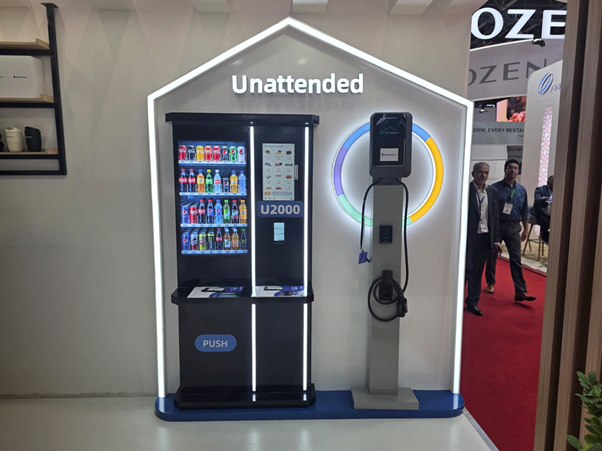
In the trade and retail sector, companies showcased technologies that connect stores to digital platforms, manage inventory, payments, logistics, and analyze consumer behavior, demonstrating the change in the way companies manage sales operations and access markets and customers.
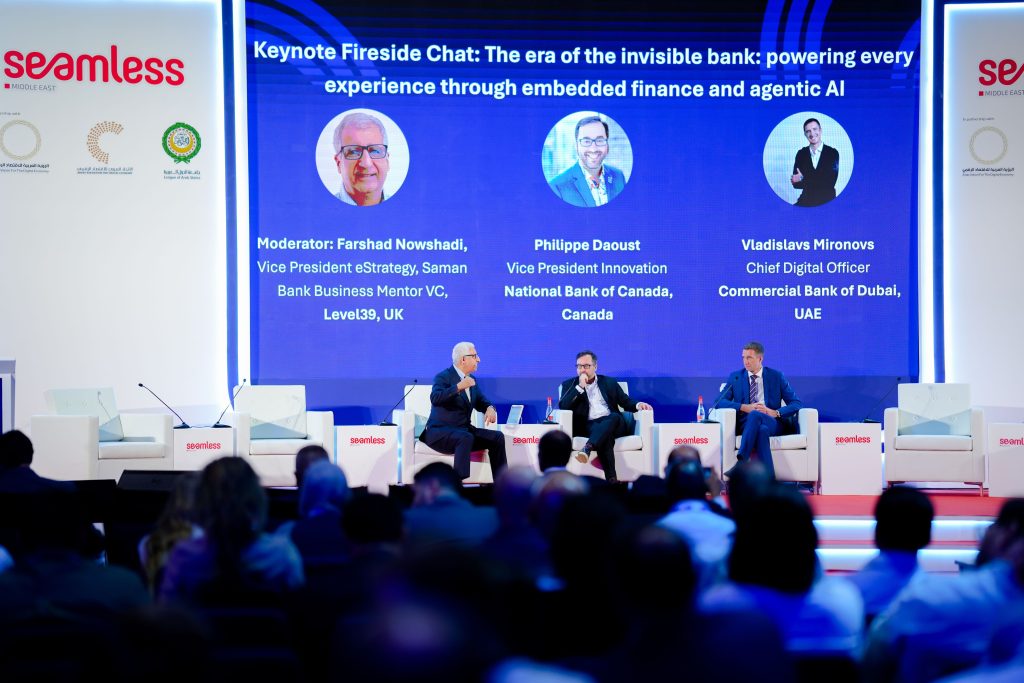
The conference sessions discussed the ongoing transformations in banking, financial technology, e-commerce, digital identity, cybersecurity, and logistics, along with the impact of artificial intelligence and data on business models and markets.
Seamless’s activities were not limited to showcasing technologies, as its three days witnessed direct meetings between government agencies, companies, financial institutions, investors and solution providers, which allowed for discussion of market needs and opportunities for cooperation and expansion in the region’s markets.
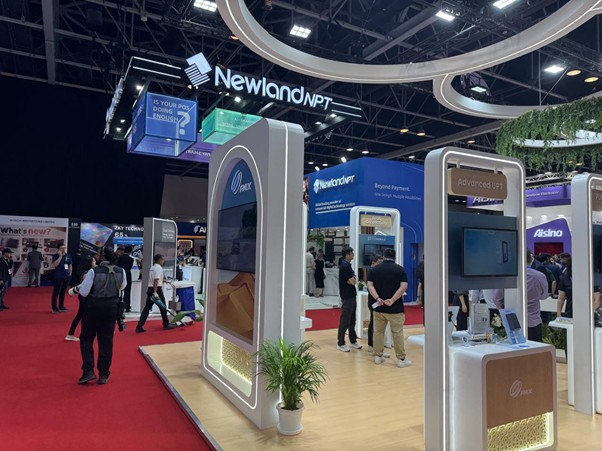
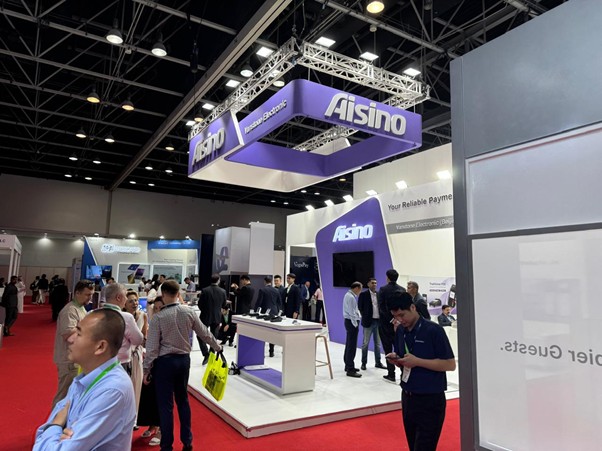
The accompanying exhibition provided ample space to showcase regional and international companies’ solutions in financial technology, payments, e-commerce, retail, identity and digital services, along with artificial intelligence applications that are becoming increasingly integrated into business and financial operations.
The 2026 cycle revealed an accelerating convergence between sectors that were previously managed independently; payments are becoming more linked to trade and identity, banking is overlapping with digital platforms, retail is becoming more data-driven, and artificial intelligence is entering into all of these activities.
This shift comes as digital markets expand in the region and companies and institutions increasingly rely on technological solutions to manage their businesses and reach customers, making competition increasingly linked to the speed of integrating new technologies into operations and services, and their ability to reduce costs, increase productivity and open new markets.
As the current session concludes, the discussions and technologies on display reflect a clear market trend: the next phase of the digital economy will be less about providing individual digital services and more about institutions’ ability to integrate artificial intelligence, data, payments, commerce, and identity into systems that work together and produce measurable economic value.