


Source: Al-Wafd Newspaper
Prof. Dr. Ali Mohammed Al-Khouri
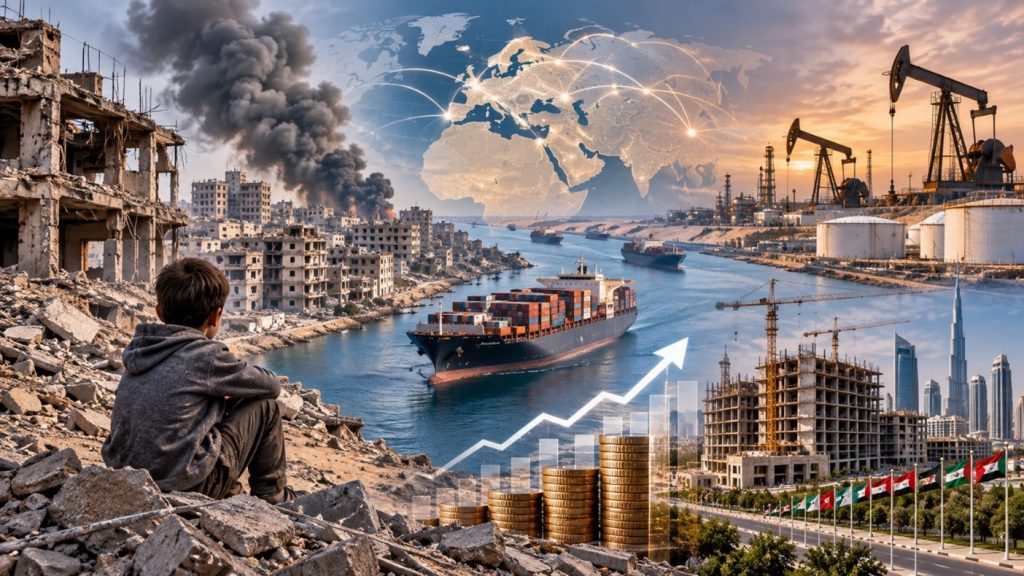
The Middle East possesses vast natural resources, a strategic location connecting three continents, and maritime routes through which a significant portion of global trade and energy supplies pass. These advantages could have made it one of the most prosperous regions. However, much of its wealth and potential has been consumed by managing conflicts and containing their consequences, to the point that stability itself has become one of the region’s most precious and scarce economic resources.
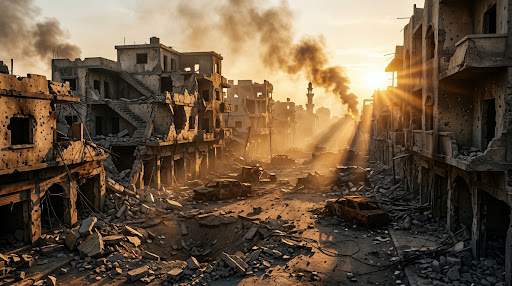
Military spending in the Middle East reached approximately $243 billion in 2024, marking a 15% increase in a single year. This figure, however, does not represent the full cost of the conflicts; it only reflects the visible portion. Alongside this are losses in production and investment, the costs of displacement, disruptions to trade, declines in tourism, and the strain on public services. Then, once the fighting has ceased, another bill begins: the cost of repairing the damage and restoring life to cities and economies.
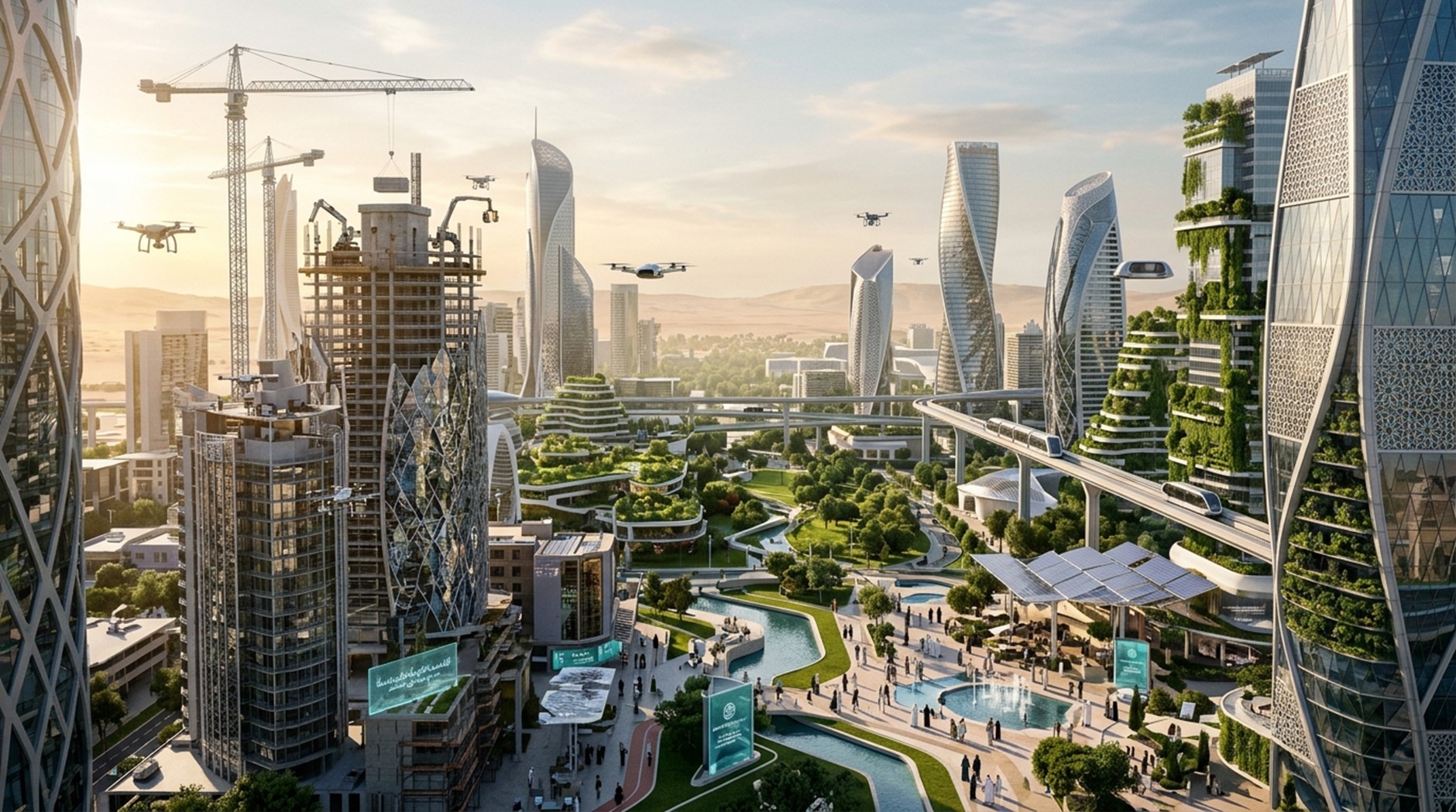
Syria illustrates the vast distance between the end of the war and recovery. The World Bank estimated reconstruction needs at approximately $216 billion, nearly ten times the country’s projected GDP in 2024. This means that restoring buildings, roads, and electricity networks will require resources far exceeding the capacity of the Syrian economy. The task is made even more difficult by weak institutions, a limited financial system, and a skilled workforce scattered between the country and the diaspora.
War destroys visible things, while simultaneously squandering immeasurable assets. The value of a destroyed factory can be estimated, but the loss of an engineer who has left, a child whose education has been disrupted, and a business owner who has relocated their operations—their losses manifest gradually in decreased productivity, reduced investment, and a diminished capacity for recovery. Therefore, reconstruction goes beyond simply repairing physical structures; it extends to restoring society’s ability to work, learn, and produce.
In Lebanon, the recent clashes came on top of an economy already suffering from a protracted banking and financial crisis. The World Bank estimated the physical damage and economic losses resulting from the conflict between October 2023 and December 2024 at approximately $14 billion, while recovery and reconstruction needs were estimated at around $11 billion. These figures reveal how the effects of conflict are amplified when it strikes a country whose public resources are already weakened and whose capacity to borrow and finance services is diminished.
The Palestinian territories, meanwhile, have witnessed a severe economic collapse. Economic activity in Gaza has shrunk to a fraction of its former size as businesses have ceased operations, infrastructure has been destroyed, and residents have lost their sources of income. In such situations, the economy ceases to be a framework for production and exchange of goods and becomes a limited network for survival, dependent on aid and intermittent access to food, water, and energy.
These models may differ in their political circumstances, but they lead to a similar economic outcome. The affected state loses a portion of its capital, and its revenues decrease while its needs increase. It then resorts to borrowing or aid, and its ability to spend on education, health, and infrastructure diminishes, thus shifting the cost of the conflict from the current budget to future generations who did not participate in it.
This cost is not limited to the countries directly involved in the fighting. The Middle East is geographically and economically interconnected, and any major disruption in one area spreads through trade, energy, transportation, and population movement to the rest of the region. When borders are disrupted or navigation risks increase, the price is paid by countries relatively far removed from the conflict, by companies that have not participated, and by families whose suffering is reflected in rising prices for goods and services.
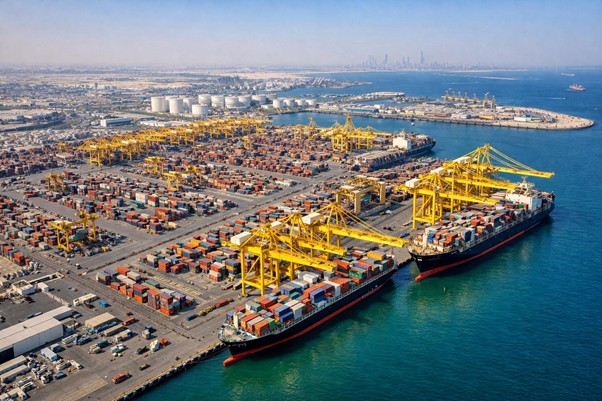
The Red Sea crisis provided a clear example of this. The Suez Canal handled between 12% and 15% of global trade in 2023, but trade through it declined sharply as ships diverted to the Cape of Good Hope route. By May 2025, canal tonnage remained about 70% lower than 2023 levels. The longer route increased travel time, fuel consumption, and insurance and shipping costs.
For Egypt, the Red Sea disruption was not just news for international trade. The Suez Canal generated $9.4 billion in revenue in the 2022-2023 fiscal year, equivalent to about 2.3% of GDP, but this revenue plummeted as shipping traffic declined. Thus, a confrontation beyond Egypt’s borders became a drain on one of the country’s most important sources of foreign currency.
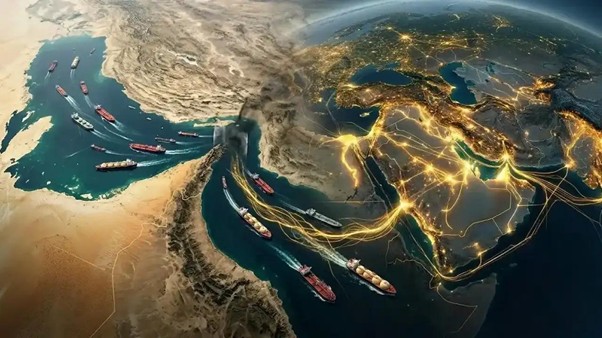
The same applies to energy markets. The Strait of Hormuz and the Red Sea are not merely regional waterways, but rather integral to the global economy. Nearly a third of the world’s seaborne oil trade passes through the Strait of Hormuz, so the mere possibility of its closure or disruption to shipping is enough to impact energy, insurance, and transportation prices in distant markets.
While some oil-exporting countries may see increased revenue when prices rise, short-term gains do not erase the impact of instability on investment and trade decisions. A diversified economy requires a clear vision that allows companies to build factories, hotels, ports, and technology centers with confidence in business continuity. The higher the risks, the higher the returns investors demand, leading to project delays and capital flight to more stable destinations.
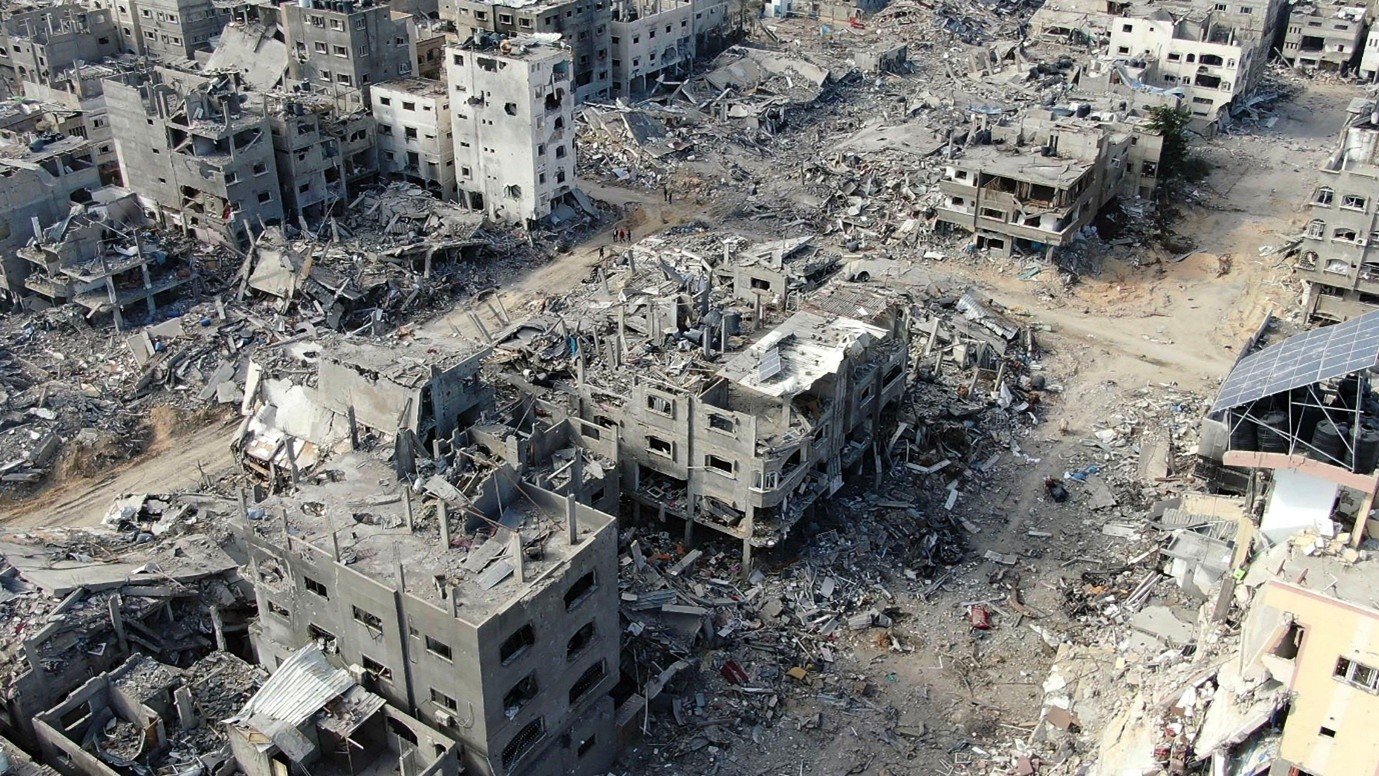
Displacement represents one of the most profound economic transformations wrought by war. By mid-2025, more than 17.8 million people in the Middle East and North Africa were living in a state of forced displacement or statelessness. Host countries bear additional burdens in education, health, housing, and infrastructure, while countries of origin lose a portion of their workforce, expertise, and professional class.
As displacement continues, its nature changes. Families who have been away from their homes for many years establish economic and social ties in a new place, their children grow up in a different education system, and the decision to return becomes more complex. Fighting may cease, but the state may then discover that a portion of its human capital is gone, and that reintegrating people and their expertise is more difficult than rebuilding roads and infrastructure.
Military spending has another, less visible, impact. Public funds are limited regardless of the size of the economy, and any significant increase in security spending reduces the available resources for other areas or increases the deficit and debt. The effects of this shift may not be immediately apparent, but they accumulate in schools that remain unbuilt, hospitals that are not equipped, water systems that have not been upgraded, and industrial projects whose funding has been delayed.
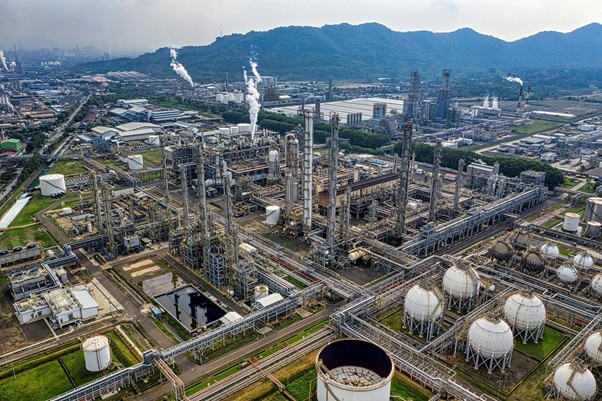
Global military spending reached its highest level in 2024, according to the Stockholm International Peace Research Institute (SIPRI), with the increase in the Middle East among the fastest globally. If this trend continues, regional competition will become a race to finance security, while competition in the quality of education, productivity, scientific research, and industry will decline.
Herein lies one of the region’s greatest economic paradoxes. The Middle East invests enormous sums to protect its resources, trade routes, and interests, only to have the very conflicts that devalue these resources and routes. Ports lose some of their activity, roads become more dangerous, oil fields require more expensive protection, and the vast market is fragmented into smaller markets separated by restrictions and tensions.
This reality has weakened regional trade. A region with broad geographical, linguistic, and cultural convergence remains less economically integrated than other parts of the world. Conflicts add security, banking, and logistical barriers to political borders, making the movement of goods, capital, and expertise more difficult, and causing countries to miss out on opportunities that could have arisen from market integration.
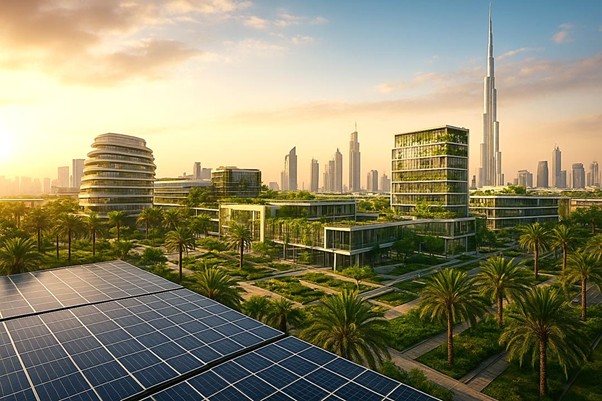
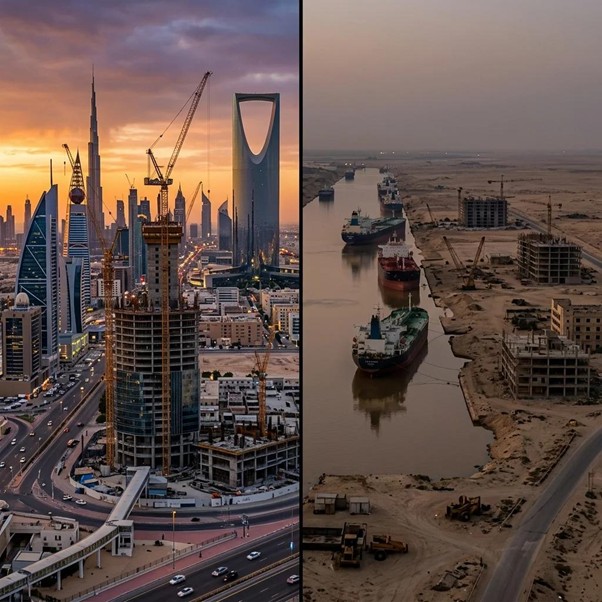
Despite this, the region’s economies are not moving in the same direction. Gulf states are expanding their investments in industry, technology, renewable energy, logistics, and tourism, seeking to reduce their dependence on oil. Other countries are trying to restore financial stability or rebuild what has been weakened by crises. Between these two extremes, a growing gap is emerging in the ability to attract investment, create jobs, and finance development.
This gap isn’t created by resources alone. Investors also consider policy stability, institutional efficiency, the safety of roads and ports, the judiciary’s ability to protect contracts, the possibility of repatriating profits, and the availability of skills. Therefore, a country may possess significant economic opportunities but fail to translate them into investments due to a weak surrounding environment.
Reconstruction can become either an economic opportunity or a further extension of the crisis. Large-scale construction spending can create jobs, revitalize markets, and develop infrastructure, but it can also squander resources and exacerbate corruption if carried out within weak institutions and without clear priorities. Societies emerging from war need to build trust as much as they need funding, because investors and citizens will not put their money into an economy they fear will revert to square one.
The recovery process begins with restoring services, reopening roads, and restarting small businesses, then extends to the banking system, education, healthcare, and investment. It cannot be reduced to mega-projects or donor conferences. The local market revives when people feel safe, incomes return, the currency stabilizes, and the rules are clear and enforceable.
The future of the Middle East requires a shift in perspective regarding stability, moving from a political imperative to a productive economic asset. Calm reduces insurance and borrowing costs, extends investment horizons, revives tourism, and encourages skilled workers to stay or return. Every agreement that opens borders, protects trade routes, or restores economic ties adds more value to the region than what is reflected in immediate political pronouncements.
Regional cooperation, however, can build shared interests that reduce the appeal of conflict. Electrical interconnections, railway networks, food and medicine supply chains, industrial projects, and mutual investments all make stability a shared benefit. The greater the value of these interests, the more costly their loss will be for all parties.
The region lacks neither capital, nor location, nor resources, nor markets. What it lacks is the protection of these advantages from a recurring cycle that consumes them in conflict and then demands many times that amount to repair its aftermath. Accumulated experience has shown that military victories, however significant they may be for the warring parties, alone cannot rebuild an economy, attract investors, repair schools, or convince displaced families to return.
The future of the Middle East hinges on its ability to transition from an economy that manages crises to one that builds shared interests. Every step forward in this direction frees up resources, expertise, and time currently spent on risk, redirecting them toward production, education, technology, and infrastructure. The region’s wealth and geographic location will then transform from sources of competition into a foundation for shared prosperity.