




Tunisia
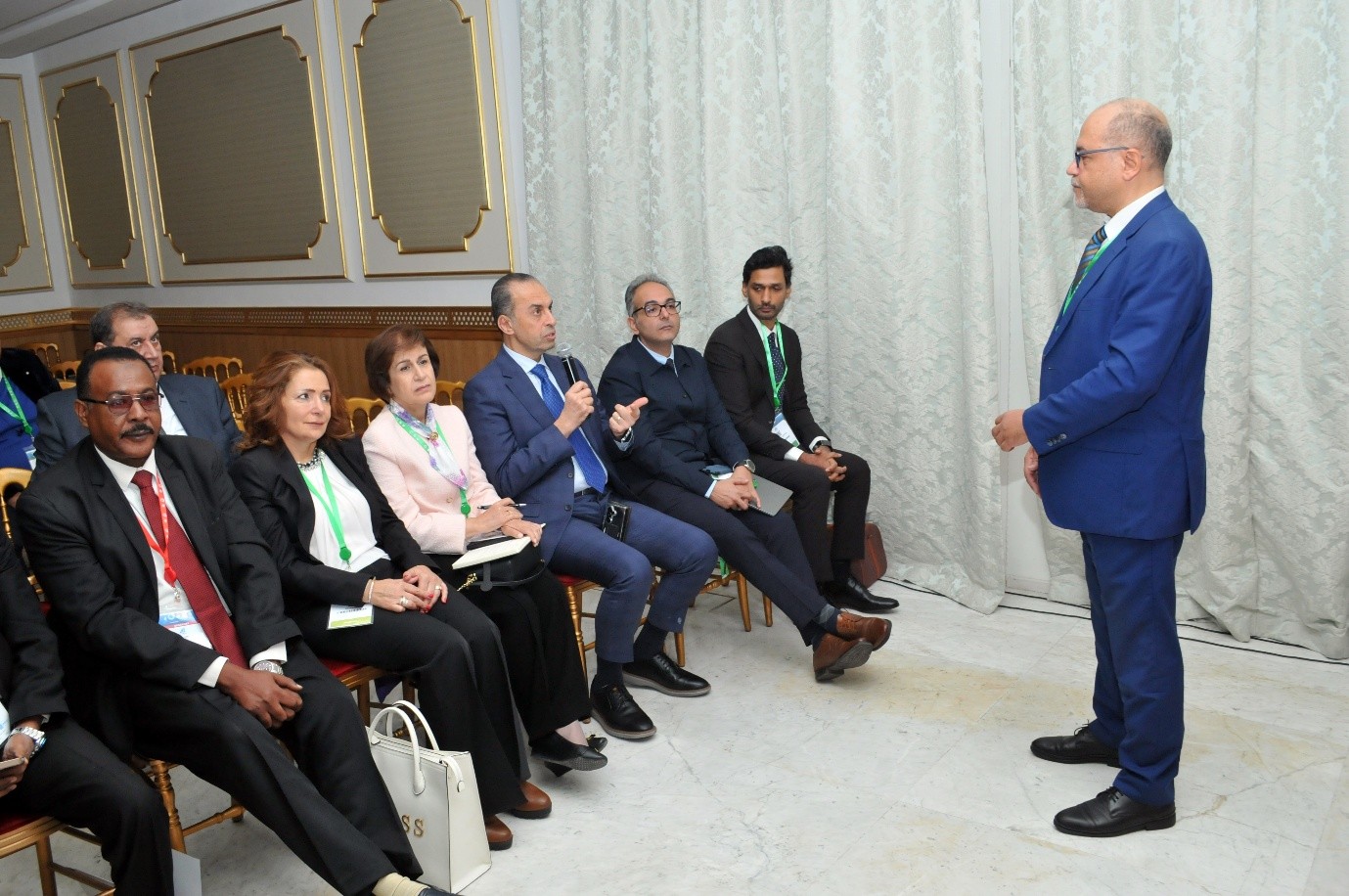
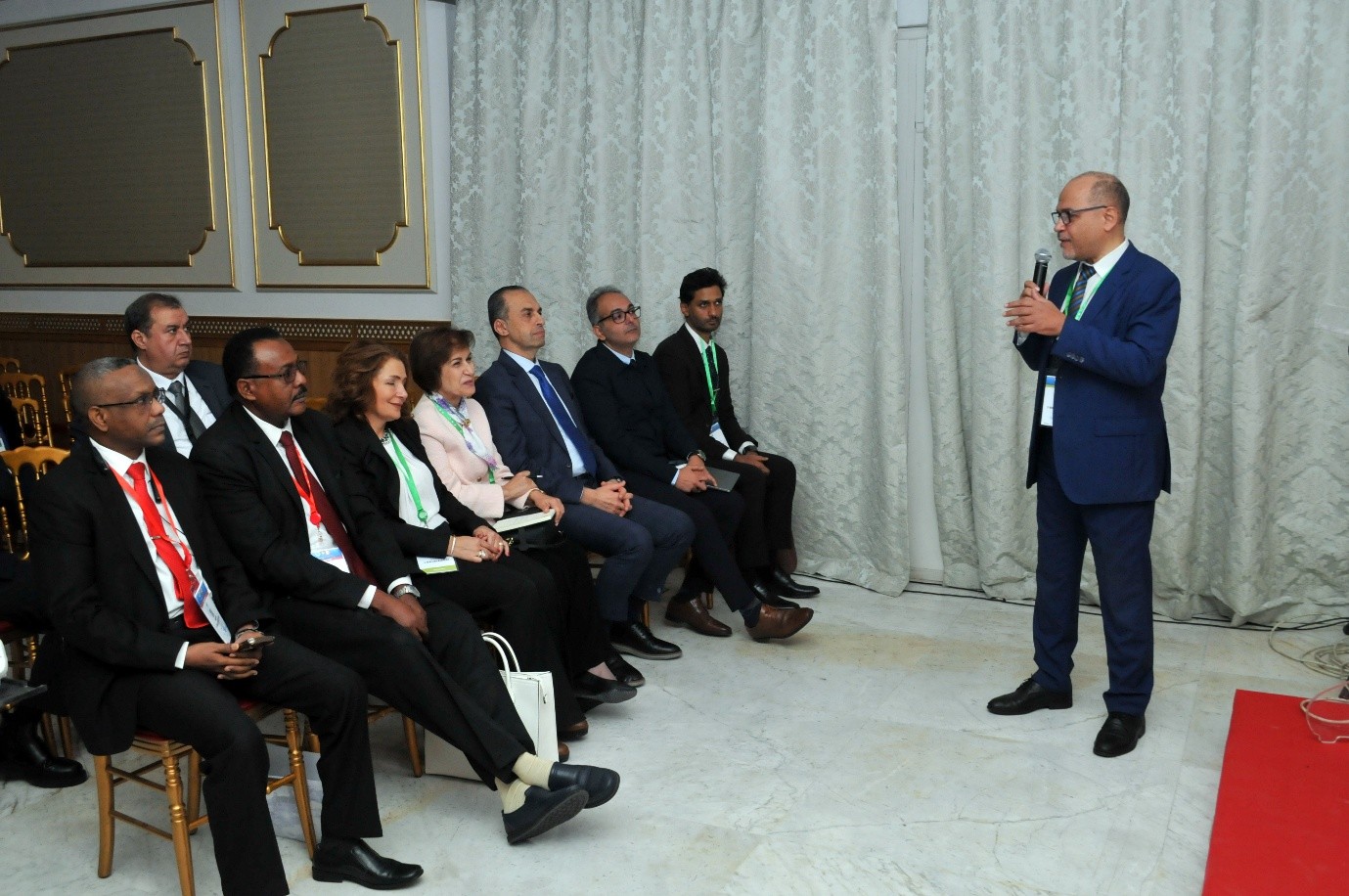
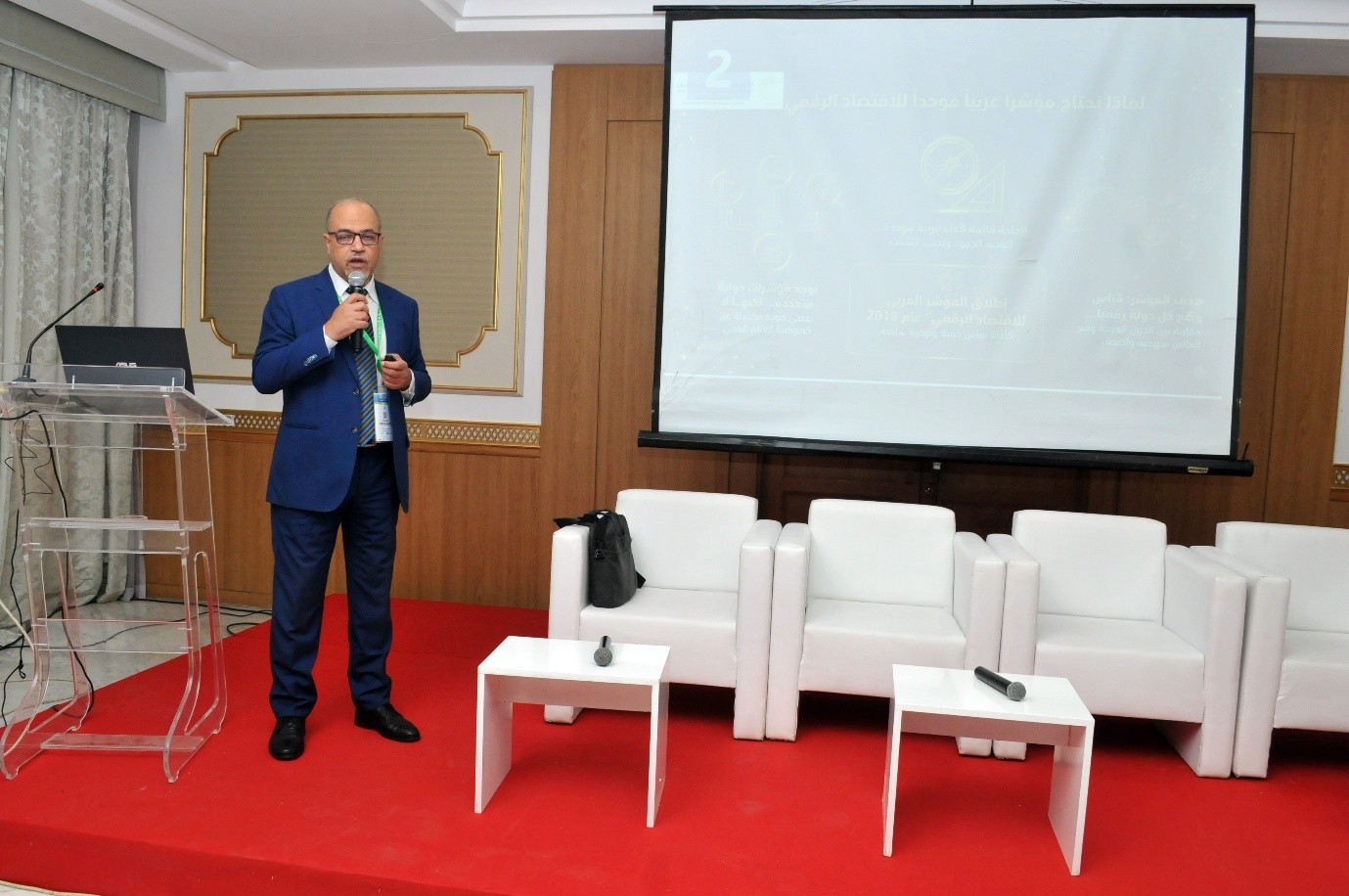
During the Global AI Summit, Tunisia hosted a specialized workshop where the Arab Federation for Digital Economy presented the findings of the Arab Digital Economy Index. This report has become the central benchmark for measuring the readiness of Arab countries for digital transformation. The workshop was presented by Dr. Ayman Mokhtar Ghoneim, Assistant Secretary-General of the Federation, who reviewed the index’s key findings and the scientific methodology upon which it is based.
At the beginning of the session, Dr. Ghoneim explained that the index, since its first version was launched in 2018, has evolved into the official tool for monitoring the implementation of the Arab vision for the digital economy adopted by the Arab Summit in Algeria in 2022, stressing that the index is reviewed periodically in cooperation with experts from the United Nations and the World Bank to ensure its neutrality and accuracy.
The Assistant Secretary-General reviewed the details of the scientific structure of the index, noting that the 2024 edition adopted 48 sub-indicators within 9 main pillars, including: infrastructure, institutions, workforce, e-government, technological readiness, innovation, market maturity, financial inclusion, and sustainable development goals.
He pointed out that a benchmark comparison was adopted with Singapore and Malaysia as two successful models in digital transformation within developing environments, which gives the index a practical dimension that is measurable and comparable.
The index results revealed that the United Arab Emirates topped the list of digital performance with a score of 75 points, followed by Saudi Arabia with a narrow margin, while the Gulf countries occupied the top six positions to be classified in the category of “digital growth leaders”.
The index also witnessed a clear improvement for Egypt, which climbed to ninth place, after being in twelfth place in 2018, benefiting from the expansion of the digital infrastructure and the high rates of use of electronic payments.
According to the general classification, Arab countries were divided into three main groups:
- Leaders: Gulf Cooperation Council (GCC) countries.
- Activists: Jordan, Tunisia, Egypt, Morocco.
- Those striving for development: countries facing political and economic challenges.
Dr. Ghoneim highlighted a significant gap in Arab digital performance, explaining that the average of the benchmark countries reached 75.5 points, while the average of the Arab countries stands at only 40 points, reflecting a gap of 35.5 points that requires urgent interventions.
He pointed out that the gap is widening even further in infrastructure and technological readiness, with differences between Arab countries reaching more than 60 points in some pillars.
The Assistant Secretary-General stressed that the index does not aim to rank countries, but rather provides each country with a detailed national profile that identifies strengths and weaknesses and suggests realistic reform paths.
He stressed the need to direct investments towards data infrastructure and the development of digital skills, while updating the legislative frameworks for artificial intelligence, which is expected to add $320 billion to the region’s economies by 2030.
He concluded by emphasizing that “bridging the Arab digital divide requires broad regional cooperation, as the task exceeds the capabilities of any single country, and the next stage calls for an Arab digital bloc capable of unifying efforts and maximizing returns.”