



Mufakiru Alemarat
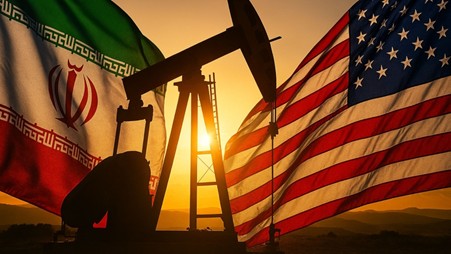
The war, which began on February 28, 2016, exposed the weakest point in the global economy: the energy and trade routes, which were disrupted by the escalating military confrontations. Targeting energy facilities and the closure of the Strait of Hormuz disrupted economic activity and plunged global markets into uncertainty. This new reality, characterized by anxiety, speculation, and caution, led to higher prices and inflation, forcing companies and countries to revise their plans and agreements amidst the uncertainty surrounding the future consequences.
In the first month of this war, the price of a barrel of oil jumped by 60 percent, driven by supply disruptions that rendered it insufficient to meet demand and a decline in available quantities. This surge in oil prices quickly impacted all aspects of economic life, from food costs to transportation and industry. This widespread impact led to a clear consequence: increased pressure on production and living costs everywhere.
Energy shock and choking of vital trade arteries
What distinguishes the current war is that its effects are not linear but rather mutually reinforcing. The impact has been felt at the most sensitive points in the structure of global trade, as a significant portion of energy passes through specific routes. The Strait of Hormuz, which used to carry approximately 20 million barrels per day, has lost most of its operational capacity. This disruption has forced the Gulf states and Iraq, among the world’s largest producers, to reduce their output by about 3-5 million barrels per day due to export restrictions, while storage facilities have become increasingly strained and are nearing capacity. Simultaneously, the impact has extended to related energy sectors, most notably liquefied natural gas (LNG). Qatar, whose supplies represent about 20 percent of global LNG, has been forced to halt its exports and declare force majeure on its contracts. The impact has also affected petroleum products, particularly diesel, which is the backbone of supply chains. Estimates suggest a potential loss of between 3 and 4 million barrels per day of these products. If this situation continues, it will drive up transportation, food production, and industrial costs. This will translate into higher prices for basic commodities.
The repercussions of this disruption are not limited to energy markets, but extend to the global trade movement itself, given that energy is a fundamental input in the operation of supply chains. The Strait of Hormuz, one of the strategic oil routes, is originally a vital transit point for trade estimated at more than two trillion dollars annually, a large proportion of which is directed towards Asia, on which global industry is based.
The world without real alternatives
Discussions about alternatives in such circumstances must begin with an understanding of the actual limitations. The real challenge lies in ensuring a safe and stable supply chain and upholding contractual obligations. While important, alternative pipeline capacities, at best, amount to only about 6-7 million barrels per day, highlighting the significant gap between available and required capacity compared to what used to pass through the Strait of Hormuz.
Therefore, countries and companies resorted to swift measures such as rerouting shipping, utilizing reserve stockpiles, and attempting to rationalize energy consumption, including reducing working hours, implementing remote work, and closing businesses early. These measures quickly impacted the supply chain itself, as export routes shifted, seeking alternative paths to circumvent disruptions. Some alternative ports, such as Tangier Med, benefited from the rerouting of shipping; however, the significant increase in the number of ships and cargo placed them under operational pressure, leading to congestion and delays in handling shipments.
The port of Yanbu in Saudi Arabia has also become a major transit point, with exports through it increasing more than fivefold compared to the beginning of the year. However, this increase, while significant, covers only a small portion of the existing gap in global supplies.
When distances become a crisis
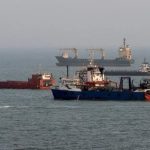
The global shipping industry adjusted its operations according to a risk-cost equation. Major companies avoided the Suez Canal, the Bab el-Mandeb Strait, and the Strait of Hormuz as a precaution, opting instead for longer routes around the Cape of Good Hope at the southernmost tip of Africa. This decision reverted shipping routes to those used before the opening of the Suez Canal, adding approximately two weeks to transit times and significantly increasing shipping costs by 30 to 50 percent, with additional fees ranging from $1,500 to $4,000 per container. Risk premiums and cargo insurance also soared to unprecedented levels, adding between $1 million and $3 million to each vessel.
This means that transportation costs become a component of everything sold, ultimately borne by governments and individuals. We’re not talking about small additional fees, but a bill that could reach over $156 billion annually in shipping costs alone, before the significant losses begin to appear in factories, stores, and household budgets.
The economy is under the control of hedging and precautionary policies.
With rising risks and costs, expectations have become the driving force. The issue is no longer simply about transportation costs and prices, but rather the potential risks associated with the delivery of shipments themselves, especially since some shipping companies have begun refusing to use their usual routes even with higher returns. Meanwhile, companies in Asia have started purchasing larger quantities of fuel and raw materials, stockpiling them in advance despite rising prices, fearing a sudden disruption in supplies. In this way, markets are governed by expectations and fears, reacting to what they anticipate might happen. This creates a new economic reality that may persist even if military operations eventually cease.
The effects of the crisis were not limited to countries near the theater of conflict, or to energy-importing economies alone, but extended to varying degrees to different major economic blocs. For example, the United States of America is now facing inflationary pressures and rising energy costs. This was followed by popular anger spilling onto the streets as protests expanded and concerns grew about a war whose consequences were beginning to translate into direct living burdens.
In Europe, the situation was not limited to rising prices; it escalated into a severe test of energy security and the ability of governments to protect industry, transportation, and households. Asia, the backbone of global manufacturing chains, also began paying a heavy price with disruptions to shipping and soaring fuel and input costs. Even other countries that initially appeared to benefit from rising commodity prices were not spared from slowing trade, market volatility, and increased insurance and financing costs.
The world is currently facing a broad economic downturn that is putting everyone under pressure and putting major economies to the test of resilience and endurance.
Market dynamics and the gradual evolution of the crisis
At the level of financial markets, the market value of global stocks witnessed losses exceeding $8 trillion in March alone, due to rapid risk pricing and increasing uncertainty. However, these losses largely reflect preemptive market movements driven by widespread selling and capital outflows, rather than being a full expression of the actual economic impact.
Initial estimates of the direct impact on the global economy so far are around $300-800 billion, due to rising energy prices, supply disruptions, higher shipping costs, and a slowdown in economic activity.
But as the crisis continues, negative expectations may be fueled by what is happening on the ground; the current situation represents only the first stage of the impact; and if the war continues for several months, financial market losses and operational losses could rise to between $2 and $4 trillion, as a direct result of the deterioration of economic activities.
However, if the crisis extends and widens regionally, and there is wider and continuous disruption in energy routes, the global cost could reach about $5-7 trillion, and gradually turn from a price shock in the markets into a structural imbalance in the global economy.
Oil prices and the wave of inflation
Overall, the economic picture is trending toward a phase of rising prices and declining growth. To understand the nature of this shift and its potential limits, it becomes essential to examine the historical relationship between oil prices and inflation. The International Monetary Fund estimates that every 10 percent increase in oil prices adds approximately 0.4 percentage points to inflation. This means that at $100 per barrel, a 10 percent increase translates to roughly an additional $1 billion per day in global energy costs. This is enough to raise inflation rates by hundreds of billions of dollars annually, adding to the global cost of living.
However, in the context of the current crisis, and with oil prices rising by approximately 50-60 percent, potential inflation levels could exceed two percentage points, opening the door to an unprecedented global inflation bill. The scenarios circulating in international reports may seem manageable, but they may not hold if the war continues, and the world could be approaching a period of weak growth and high prices, imposing a harsh reality on economies and societies.
Monetary policy dilemma
Central banks face a real dilemma as the entity that controls the cost of borrowing and interest rates; this means that their decisions directly affect the ability of governments to spend, and the ability of individuals to buy and save; and they will be forced to intervene if the pressures shift towards wages and inflation levels by raising interest rates to reduce spending and borrowing, and to calm prices.
The greatest danger is the possibility of inflation becoming a continuous and prolonged condition, as happened in the financial crises of the past two decades. What was worth one dollar in 2000 is equivalent to an average of about 1.9 dollars in 2025, according to official indicators. To understand the economic reality itself, a distinction must be made between inflation as it is measured and inflation as it is experienced, and what this conceals in terms of discrepancies that directly affect the lives of individuals.
Global statistics show that between 2000 and 2025 prices increased on average by about 90 percent, food by about 104 percent, housing by about 111 percent, and healthcare by about 129 percent. These prices have not returned to their previous levels, but have accumulated, which makes actual living inflation higher than measured inflation.
Inflation originating from the food sector
Another inflationary front is forming in the food sector, which represents the basis of the livelihood stability of societies. About 30 percent of the global fertilizer trade passes through the Strait of Hormuz. Supply disruptions have raised prices by between 30 and 40 percent. This increase in production costs is gradually being passed on to food prices, which means that the next wave of inflation will start from the base of agricultural production and will later appear in supply chains and commodity prices.
Readiness among Arab economies
In the Arab region, the effects of the crisis are manifesting in varying ways, but they are generally putting pressure on economic activity and financial stability. Even the Gulf states, despite their reserves, financial instruments, and operational capacities, have not been immune to the disruptions affecting exports, shipping, and infrastructure.
Arab energy-importing countries have also found themselves facing double pressure due to rising import and transportation costs and shrinking financial margins. The difference between Arab economies lies not in the degree to which they are affected by the current crisis, but rather in their available capacities to absorb, contain, and manage its repercussions, and to prevent its spread to their domestic economies and living standards.
The Emirati model
In the UAE, Dubai launched an economic support package worth one billion dirhams, which included postponing government fees and easing burdens on affected sectors. This was followed by direct monetary intervention from the UAE Central Bank, which launched a financial flexibility package to support liquidity in the banking sector, measures to ease capital requirements, and the provision of financing tools in dirhams and dollars to ensure the continuity of credit services and reduce tightening in lending in light of escalating risks.
In addition to continuing to inject domestic investments, most notably housing packages exceeding 4 billion dirhams to support citizens and stabilize their living conditions.
What distinguishes the UAE model is not only its rapid response but also the continuity of its institutional performance, even during crises. Government services and economic activities continued with virtually no interruption. The crisis also revealed once again the strength of the digital infrastructure, which enabled broad sectors to operate efficiently, whether through smart government services or remote work environments, thus mitigating the impact of the disruption on the economic cycle.
At the same time, long-term investments in infrastructure and strategic projects have proven their worth, not only as drivers of growth but also as stabilizing factors that support the economy’s ability to absorb shocks and adapt quickly. The UAE’s economic model is based on high institutional resilience, despite the brutal aggression the country has faced, advanced adaptive capabilities, and guaranteed business continuity, all underpinned by diversification and proactive infrastructure investment.

shared collective exposure
Across the Gulf region, oil supplies from several producing countries declined due to export disruptions. The impact was most severe in Iraq and Kuwait, and somewhat less so in the UAE and Saudi Arabia, thanks to alternative routes such as pipelines and export terminals outside the Strait of Hormuz. Simultaneously, the disruptions extended to operational and logistical infrastructure across the Gulf states, with ports, vital facilities, and supply chains coming under direct pressure as a result of the attacks and shipping disruptions, underscoring the far-reaching impact on the entire region’s operational systems.
Arab countries outside the Gulf region are facing operational disruptions and more intense pressures. In Egypt, policies are geared towards controlling consumption and postponing some energy-intensive projects, amid declining Suez Canal revenues and persistent inflationary pressures. The government has also resorted to reducing fuel consumption in government vehicles and expanding remote work arrangements to decrease demand for transportation and domestic fuel, and to lower operating costs.
In Jordan, the government resorted to not passing on the full global increase in fuel prices at this stage, activating strategic reserves, operating the port of Aqaba, and developing alternatives for transportation through Arab Mediterranean ports.
In Morocco, the surge in fuel prices has prompted the reinstatement of subsidies for professional transport, as the crisis is being managed through available stockpiles and efforts to contain its impact on the domestic market. Energy-importing countries like Morocco and Tunisia are also facing increasing pressure due to rising import costs and limited financial options, with central banks warning that a prolonged conflict could widen current account deficits due to soaring energy bills.
Overall, the crisis reveals structural differences in the readiness and efficiency of institutional systems, the ability of Arab economies to deal flexibly with crisis scenarios, and their lack of effective alternatives.
Managing the crisis and dealing with this phase requires a different set of priorities. The following are some recommendations:
Securing supplies and their routes
First, the issue of energy supply and the transportation of goods must be addressed as a single package. In light of this crisis, even though oil facilities remain operational, guarantees of actual delivery, or delays in delivery, will incur costs that will consume a significant portion of the energy’s value. Therefore, it is not enough to simply secure supplies; the route itself must also be secured, ensuring that supplies reach their destinations. This includes utilizing strategic reserves and implementing temporary measures to rationalize consumption in the most energy-intensive sectors in order to alleviate pressure on supplies in the short term.
The most important solution lies in having ready-made plans for rapid and efficient alternative routes. These include developing other trade routes and coordinating with other countries to establish cooperative cross-border routes that ensure the continuity of flows even if traditional routes are disrupted. What is needed are temporary and rapid joint arrangements between ports, warehouses, refineries, shipping companies, and banks to guarantee the uninterrupted movement of goods between countries. This also requires activating alternative customs points equipped to serve these new routes and establishing banking coordination to maintain trade finance and the necessary credit lines to ensure the smooth transit and processing of shipments without delay.
The need to invest in advanced land transport networks, particularly cross-border railways, is also evident. These networks serve as a strategic alternative capable of compensating for some of the disruptions in maritime routes, expediting the movement of goods, and reducing reliance on high-risk corridors. However, these measures will remain limited unless they evolve into a collaborative regional effort to develop alternatives that allow countries to operate within a single network.
Directing support programs according to impact priorities
Second, governments must shift from a logic of “broad support” to one of targeted protection, advocating for measures aimed at the most vulnerable groups and sectors rather than costly and limited-impact general interventions. The primary priority here is ensuring the continued availability of essential goods and services, particularly food, medicine, public transportation, and electricity, while also protecting supply chains to mitigate price spikes. The goal is to safeguard living standards and prevent economic pressures from spreading to broader segments of society. Programs must be data-driven, drawing on and continuously updating socioeconomic databases to guarantee the intended impact.
Priority Investment
Third, it is necessary to rearrange projects by postponing those that require large funding and do not yield a quick return, and to continue with projects that maintain the availability of basic goods and services, such as warehouses, transportation services, electricity, facility maintenance, and food provision. This call is not for “austerity,” but rather for directing resources towards providing what keeps the economy active, and postponing everything else.
Protecting confidence in the markets
Fourth, confidence must be protected as much as goods. Markets price in risks before they materialize; therefore, transparency regarding national stockpiles and availability, preparedness and emergency plans, and clear government communications to the public and markets are all economic tools that can guide expectations and curb unjustified price increases. Protecting confidence is not limited to macroeconomic markets but extends to the broader economic base, particularly small and medium-sized enterprises (SMEs), which face the risk of decline or collapse due to decreased demand and their inability to continue operating. The loss of these companies does not simply mean the failure of commercial entities, but also a much higher cost to revive them economically and socially, in addition to the resulting job losses. This makes preserving them an economic and social priority that transcends the interests of their owners, who may lack the resources to cope with such crises.
Hence the need for deeper and more precise support mechanisms, based on directing aid according to clear and well-thought-out priorities that ensure the continuity of these companies, preserve jobs, and prevent the crisis from spreading from the economic sector to the social fabric.
Monetary coordination and ensuring financial stability
Fifth, in light of the increasing pressure on national currencies, and the resulting rise in prices and erosion of purchasing power, there is a need to move from individual monetary treatments to more integrated regional coordination. The challenge is not limited to managing the exchange rate, but extends to protecting economic and social stability from the effects of sudden fluctuations that may deepen the pressures on markets and productive sectors.
This requires establishing coordination mechanisms among central banks aimed at mitigating sharp exchange rate volatility and avoiding uncoordinated policies that could deplete reserves or undermine confidence in local currencies. It also includes harmonizing the overall direction of monetary policies to limit the transmission of pressures between countries and maintain liquidity stability within economies.
In terms of trade finance, the importance of activating joint financial instruments, such as currency swap lines, is paramount to ensuring the uninterrupted flow of essential goods, particularly food and medicine. The continuity of trade finance at this stage is an economic imperative, constituting a key element of social stability and mitigating the spread of pressures that could threaten overall stability.
Activating the diplomatic track
In light of the escalating cost of the conflict and its far-reaching repercussions on energy markets, trade, and supply chains, it becomes clear that economic tools, however effective, will remain limited in their impact unless accompanied by political action to halt the escalation. Continued military operations will not only mean continued pressure on prices and growth, but also continued uncertainty that disrupts investment and production decisions, and keeps the global economy in a state of continuous bleeding.
Based on this, political diplomacy emerges as a security and economic tool for reducing tension and opening channels of negotiation. This represents a fundamental condition for restoring stability to markets and resuming trade and energy flows along more predictable paths. This requires coordinated regional and international action to contain the escalation and pave the way for a return to the negotiating table, thereby limiting the crisis’s expansion and preventing it from becoming a prolonged state of instability under the pressure of risks. The importance of diplomacy extends beyond ending the conflict to managing the post-conflict phase. Ensuring the continued flow of goods, reassuring markets, and rebuilding confidence in the stability of the economic environment all become integral to the recovery process itself. Any delay in the political track will result in higher economic costs and prolong the recovery process, potentially making it more difficult to manage later.
Post-crisis
In general, perhaps the most far-reaching effect of this war is that it revealed that the world’s economies, including Arab economies, were built on speed rather than solidity, and on efficiency rather than the ability to endure and withstand. What appeared for years to be a wide and flexible network turned out to be a system based on a balance that can be easily broken.
The issue is not primarily about the extent of rising commodity prices and living costs; rather, it is about an entire economic structure built on the assumption that the movement of goods and energy is always guaranteed, which reality has proven to be incorrect. What has actually been revealed is that economies that do not have alternatives, sufficient stockpiles, or the ability to adapt quickly will appear strong in times of prosperity, but will collapse at the first major test.
Therefore, what the crisis will leave behind is not just a higher cost and bill; rather, it will push countries to build a new vision of what economic sovereignty means, and to search for possibilities to protect their societies and their stability, in a world in which stability is no longer something that can be built upon as a permanent rule, and in an environment that is no longer managed by the logic of certainty, but by the logic of risks.