



Hangzhou – China
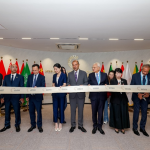
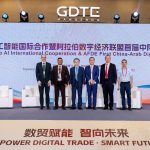
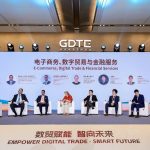
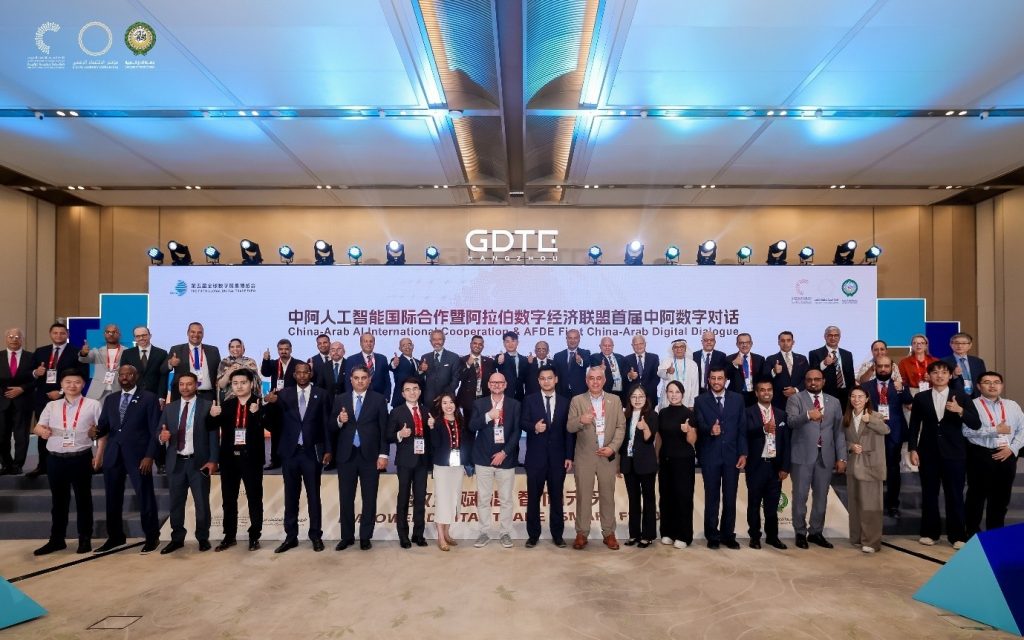
The Chinese city of Hangzhou witnessed the launch of the “ China-Arab International Cooperation in Artificial Intelligence and the First China-Arab Digital Dialogue” , which was organized by the Arab Federation for Digital Economy as part of the activities of the fifth session of the Global Digital Trade Fair GDTE 2026, with high-level participation from Arab and Chinese governmental, economic and institutional leaders.
The event was designed to open a space for dialogue about the new phase of Chinese-Arab cooperation in light of the rapid transformations in artificial intelligence, digital trade and technology, with a focus on moving from traditional relations and the exchange of experiences to building partnerships more linked to investment, projects, markets and practical applications.
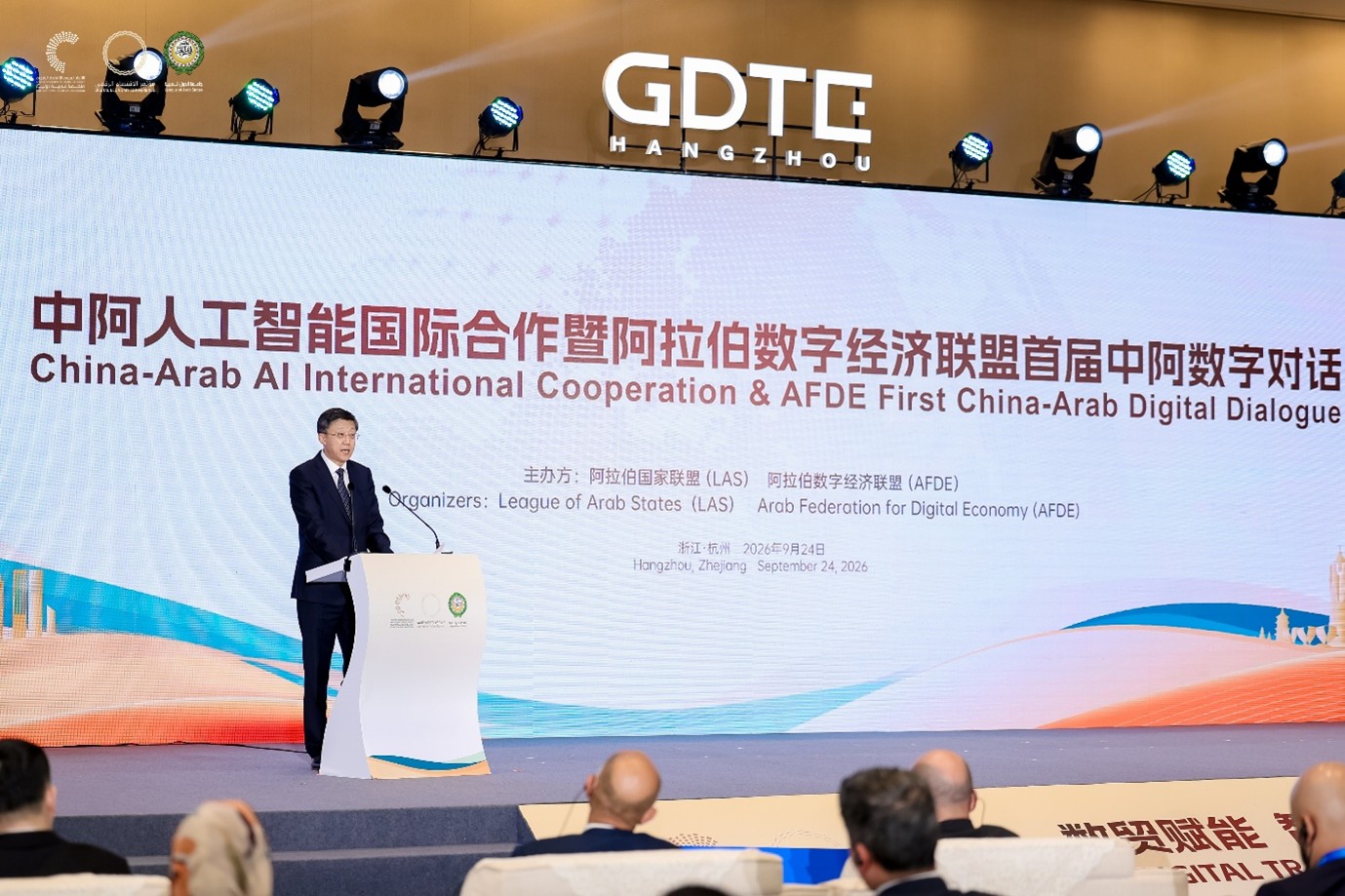
The opening remarks began with a speech by Mr. Liu Fei , a member of the Standing Committee of the Communist Party of China’s Zhejiang Provincial Committee and Secretary of the Hangzhou Municipal Committee of the Communist Party of China . He welcomed the participating Arab delegations and highlighted Hangzhou’s position as a major center for the digital economy and innovation in China, emphasizing the importance of expanding the city’s cooperation with Arab countries in the fields of technology, trade, investment, and future industries. He also noted the relative economic importance of the province, which boasts an annual income of approximately $1.4 trillion and a population of around 67 million.
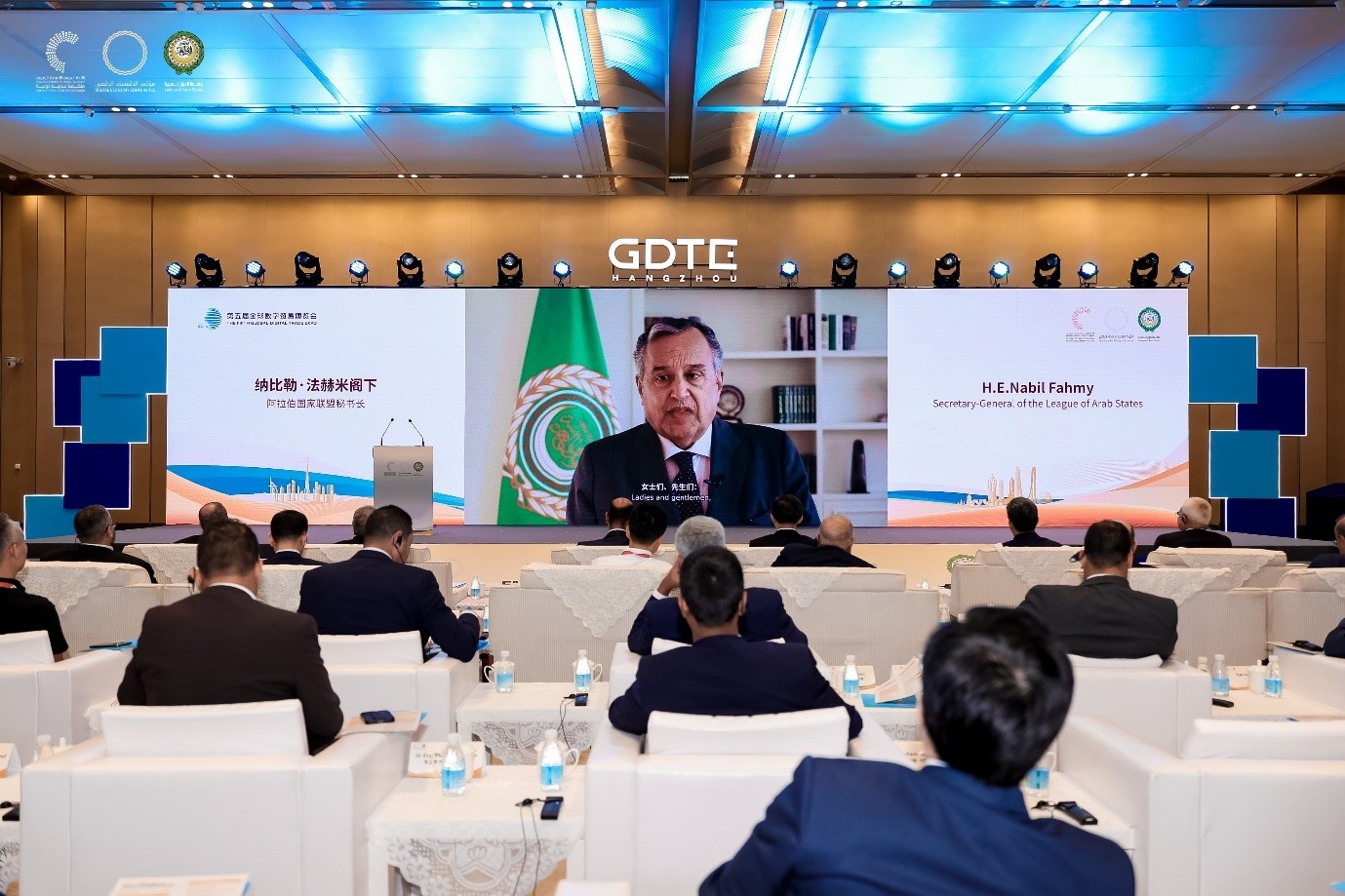
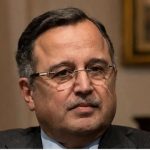
The opening also included a speech by His Excellency Nabil Fahmy, Secretary-General of the Arab League, reflecting the Arab interest in developing cooperation with China in the digital and new technological fields, and taking advantage of the opportunities provided by global transformations in the digital economy to build partnerships that serve the development priorities of the Arab countries.
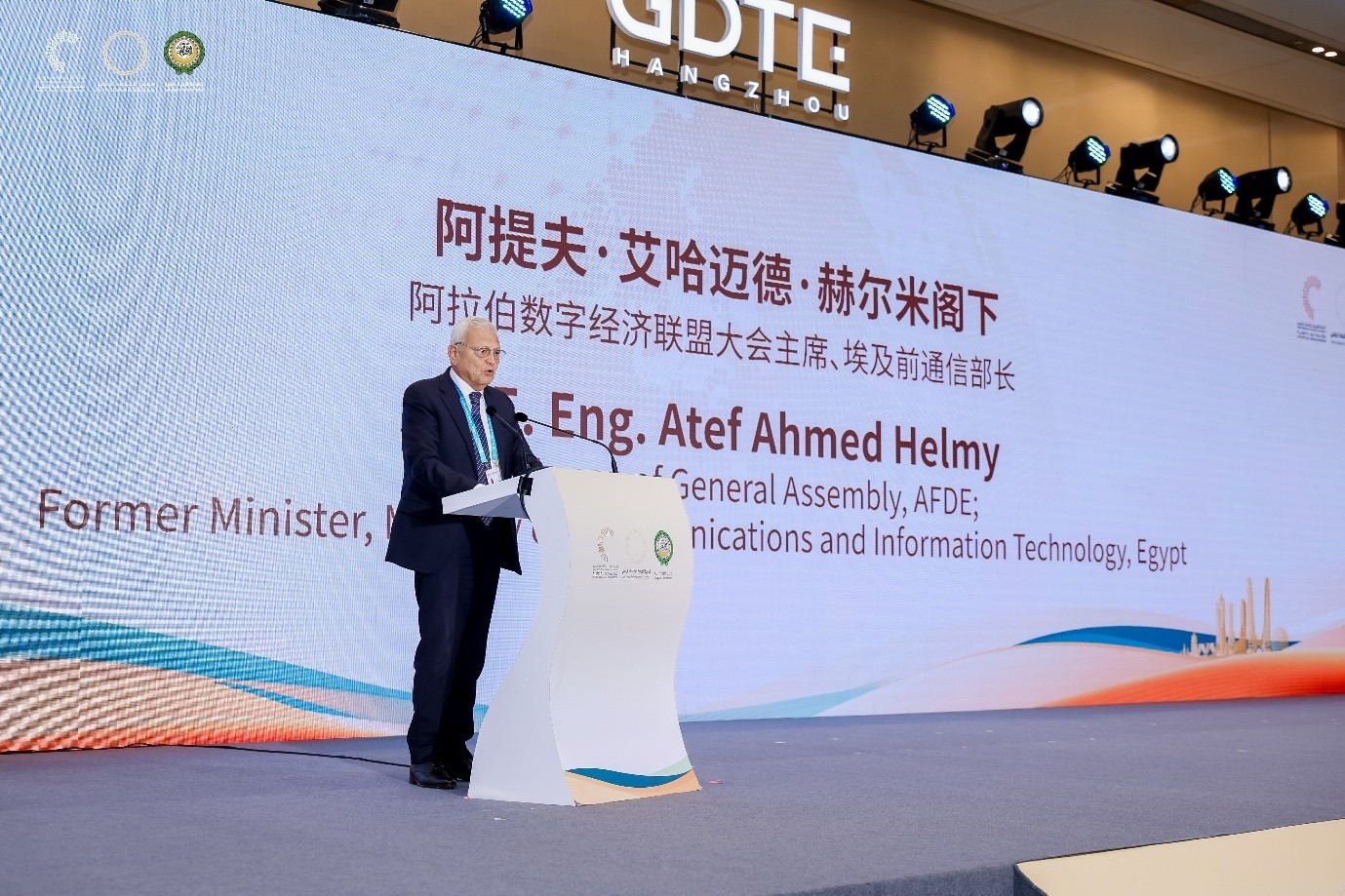
On behalf of the Arab Federation for Digital Economy, His Excellency Eng. Atef Ahmed Helmy, Chairman of the Federation’s General Assembly and former Egyptian Minister of Communications and Information Technology , delivered a keynote address. He discussed the evolving Arab-Chinese relations and the importance of building digital cooperation that leverages China’s technological and industrial capabilities, as well as the significant opportunities offered by Arab markets and their digital transformation programs. He also highlighted the importance of institutional mechanisms to translate dialogue into tangible projects, business opportunities, and investments that can be monitored and implemented.
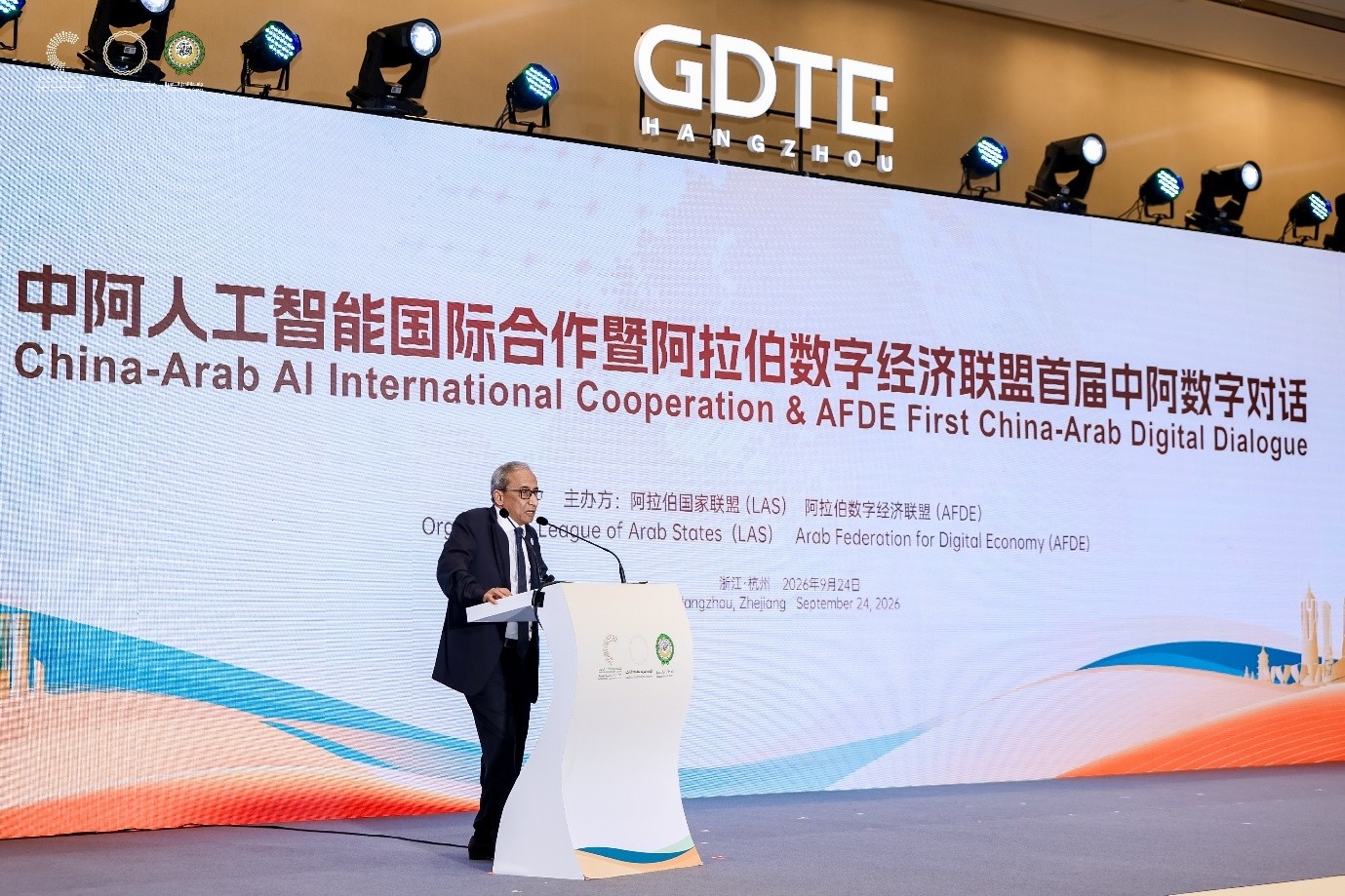
His Excellency Ambassador Mohamdy Ahmed Naya, Secretary General of the Council of Arab Economic Unity , also addressed the importance of expanding economic cooperation channels between China and the Arab region, and enhancing the role of projects, investment, trade and technology in building more integrated relations between the markets of both sides.
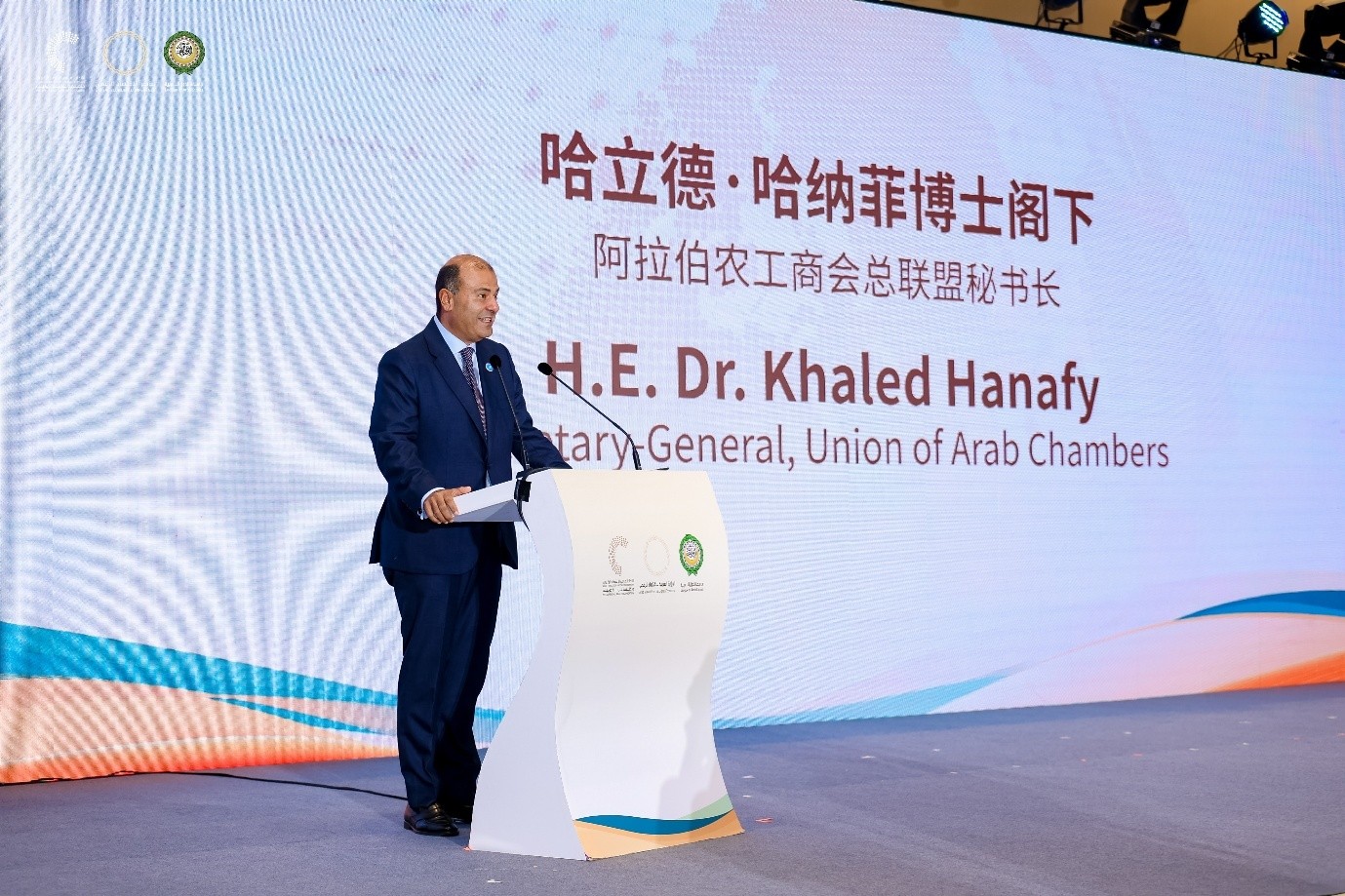
His Excellency Dr. Khaled Hanafi, Secretary General of the Federation of Arab Chambers , spoke about the role that the private sector and chambers of commerce and business can play in moving Arab-Chinese relations to broader levels of trade and investment cooperation, and linking Arab companies more directly to the markets, value chains and opportunities that China provides.
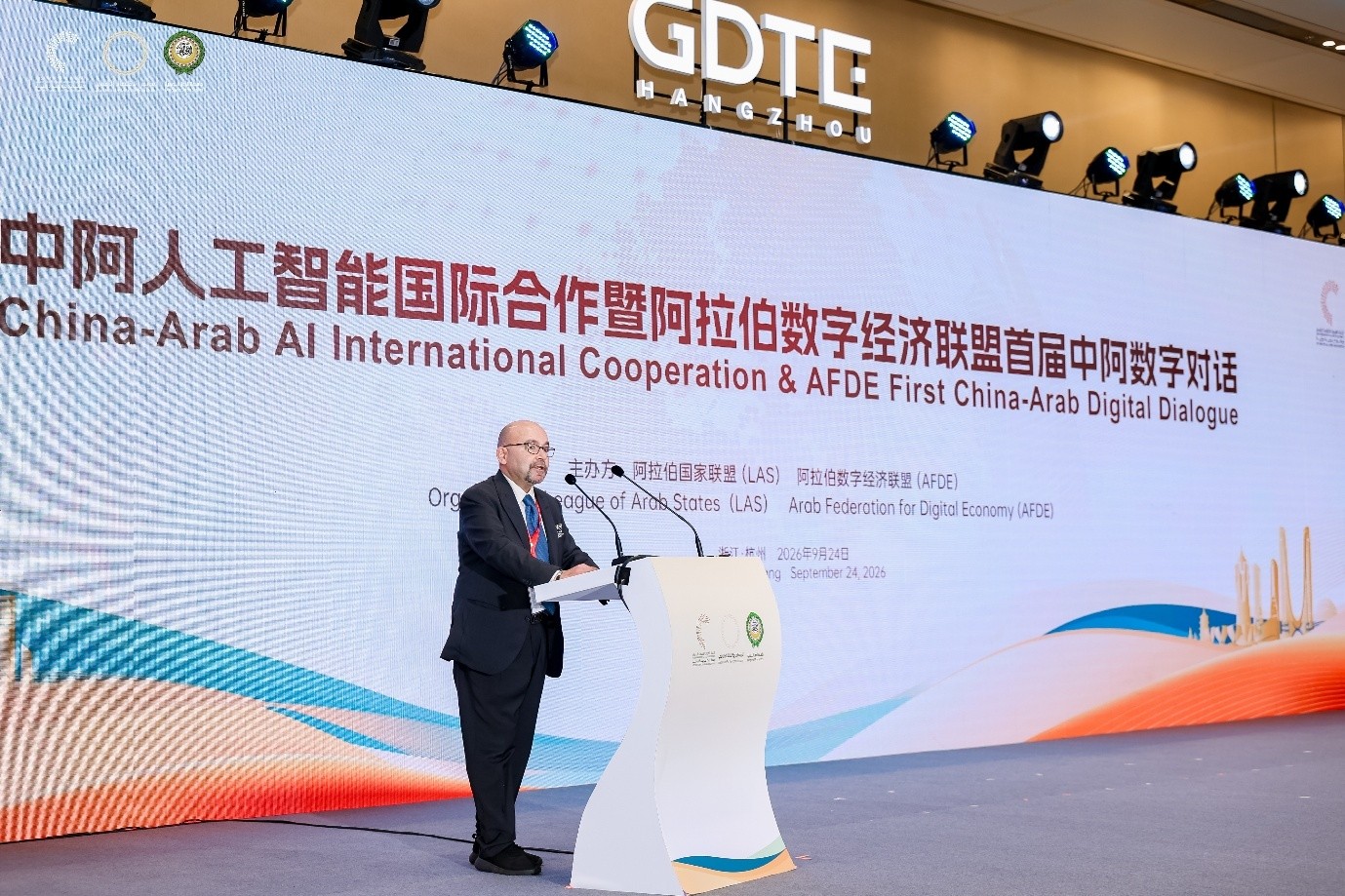
From the League of Arab States, Minister Plenipotentiary Dr. Khaled Mahmoud Amin Wali participated , stressing the importance of the institutional dimension in Arab-Chinese cooperation and the need to link digital transformation and modern technologies with the goals of Arab economic development and capacity building, in order to allow Arab countries to benefit from the rapid developments in artificial intelligence and technology.
His Excellency Ambassador Ahmed Mustafa Fahmy Hafez, Head of the League of Arab States Mission in Beijing , delivered a speech that focused on the importance of continuous communication with Chinese institutions, and taking advantage of the growing Arab-Chinese relations to build more regular paths for cooperation in the economic, technological and investment fields.
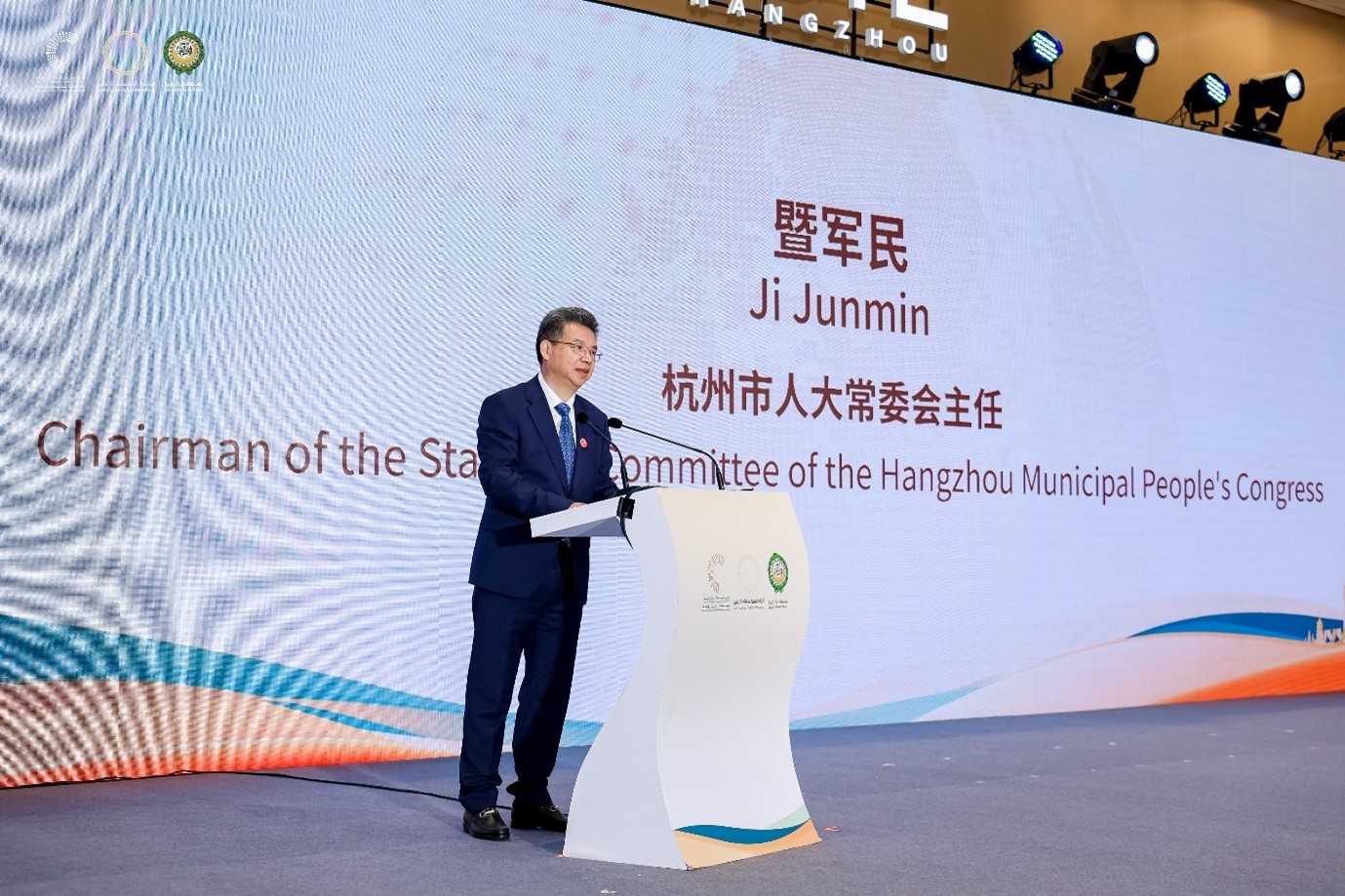
The program then moved on to the high-level keynote speeches , where Mr. Ji Junmin , Chairman of the Standing Committee of the Hangzhou Municipal People’s Congress , presented a vision on Hangzhou’s advanced digital economy and technology ecosystem, and the opportunities the city can offer for partnership with Arab institutions and companies in investment, innovation and digital trade, given that it is home to major technology companies in China such as Alibaba, Unitree and DeepSec.
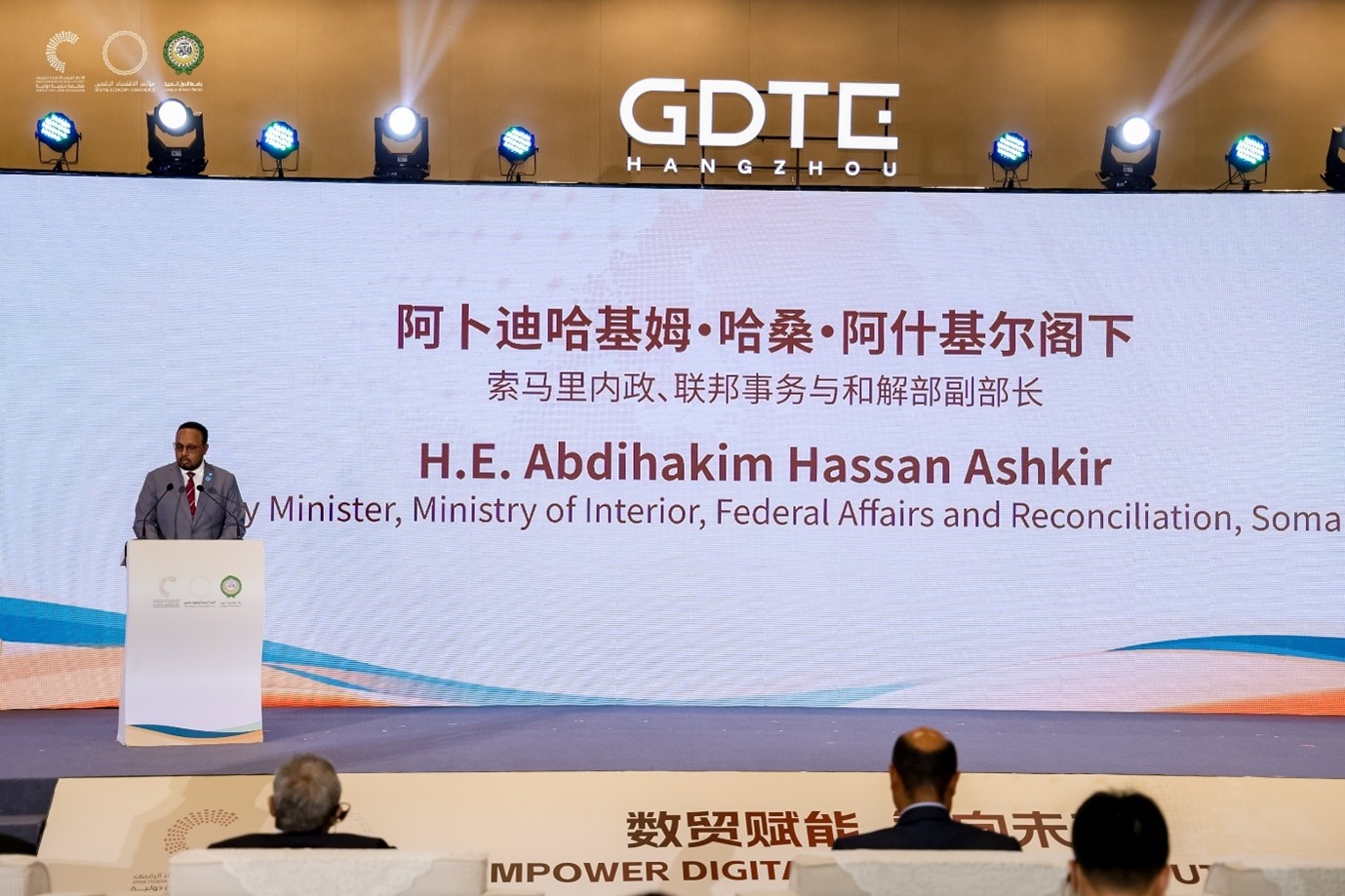
His Excellency Abdul Hakim Hassan Ashkar, Deputy Minister of Interior, Federal Affairs and Reconciliation in Somalia , also participated with a speech that addressed the importance of technology and digital infrastructure in supporting development, building institutions and expanding access to services, and what cooperation with China can provide in terms of opportunities for Arab countries, especially economies that are working to accelerate the building of their digital infrastructure.
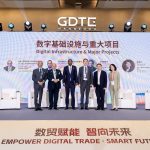
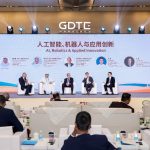
Following the keynote speeches, the forum moved from the general overview to showcasing actual investment opportunities in China and the Arab countries .
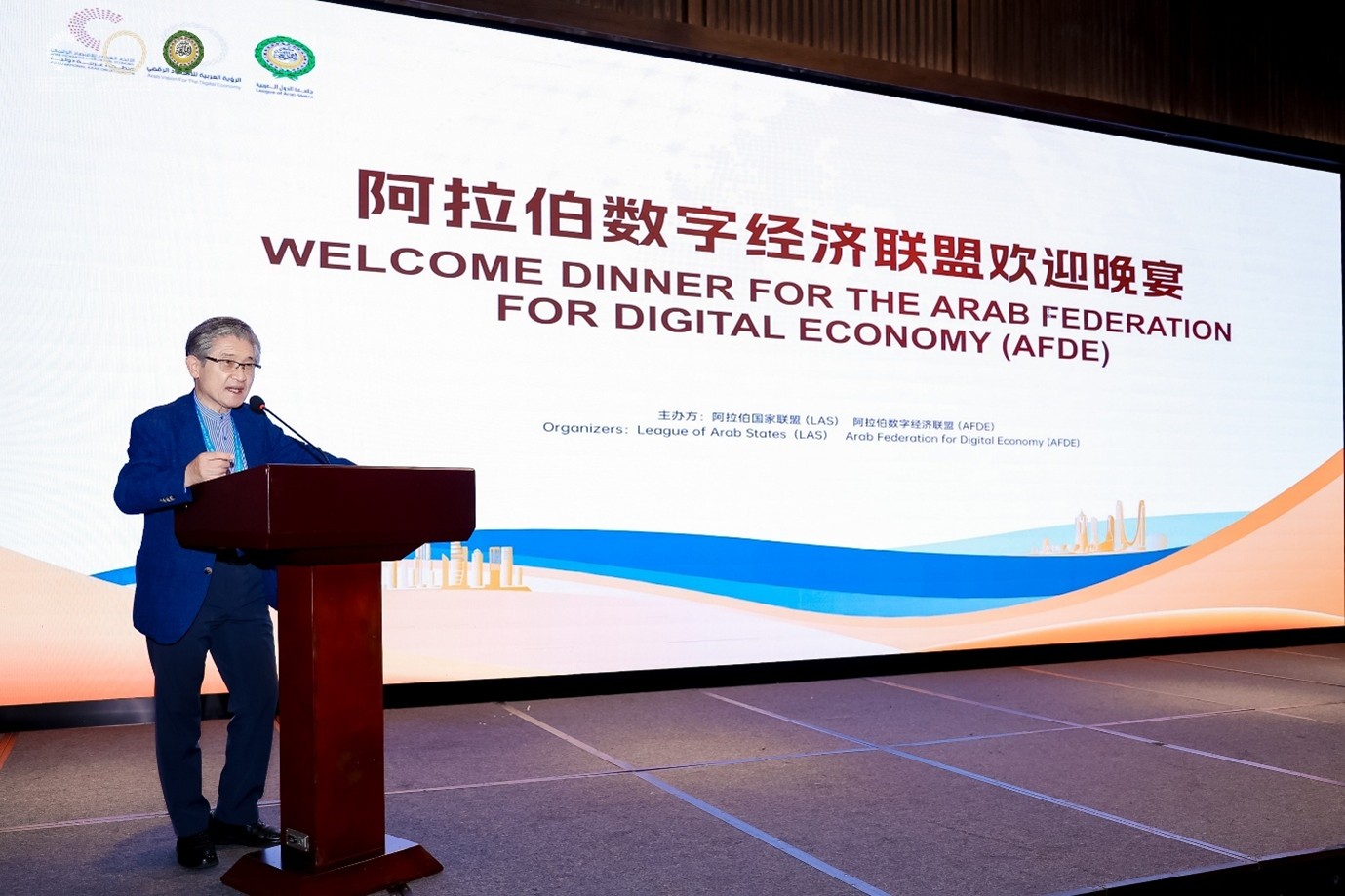
Mr. Gao Chong , a member of the Standing Committee of the Party Committee of the Hangzhou “Penjiang” High-Tech Zone and Deputy Director of its Management Committee, gave a presentation on the investment environment in the zone and the ecosystem it provides for technology companies, innovation and digital industries, and the cooperation opportunities available to Arab investors and companies.
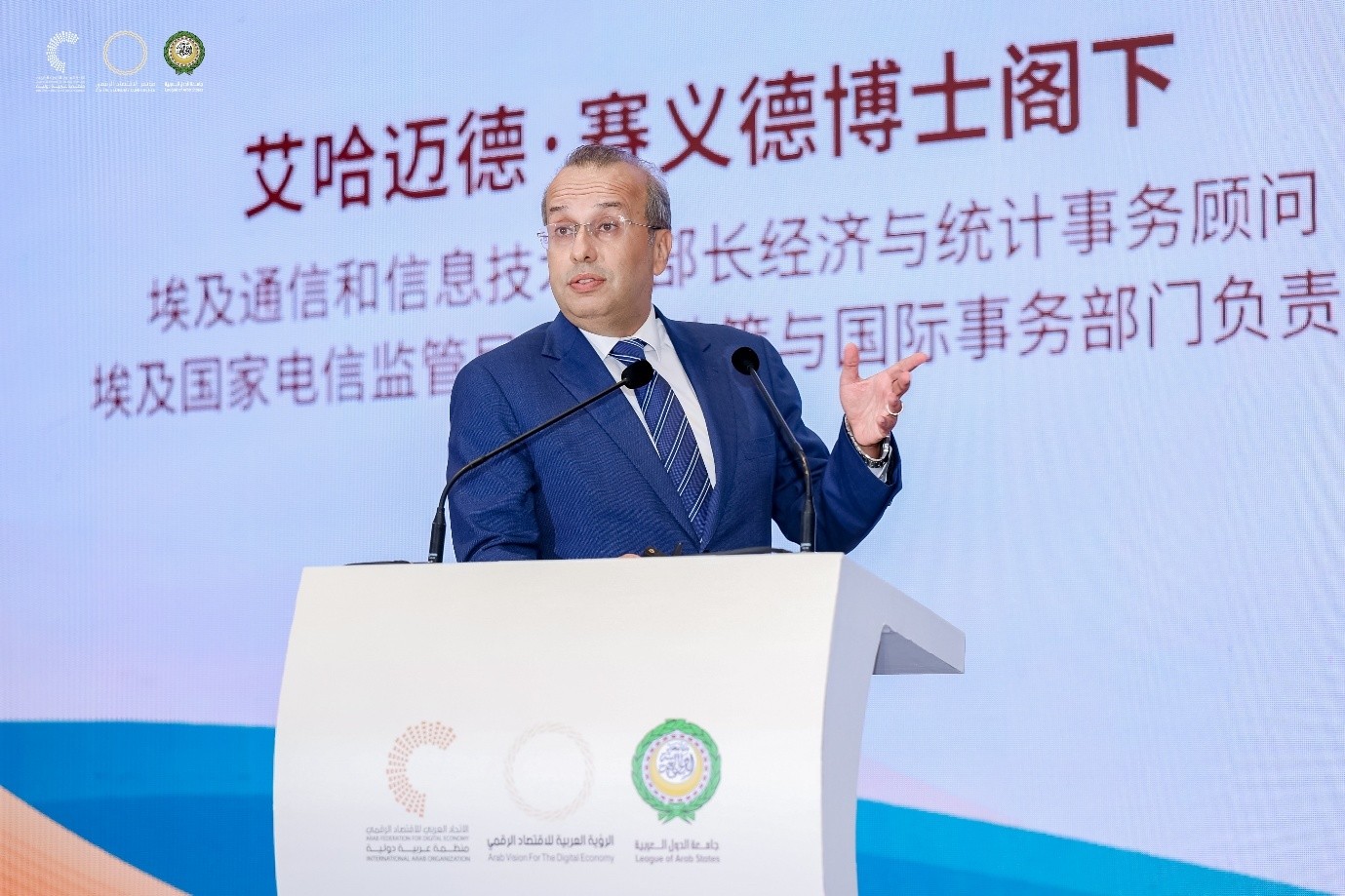
From Egypt, His Excellency Dr. Ahmed Saeed, Advisor to the Minister of Communications and Information Technology for Economic and Statistical Affairs , presented a range of joint investment opportunities, focusing on the growing digital economy and ICT sector, and the opportunities the Egyptian market offers to Chinese companies and investors. He emphasized the significant expansion of digital inclusion, reaching a large segment of the Egyptian population.
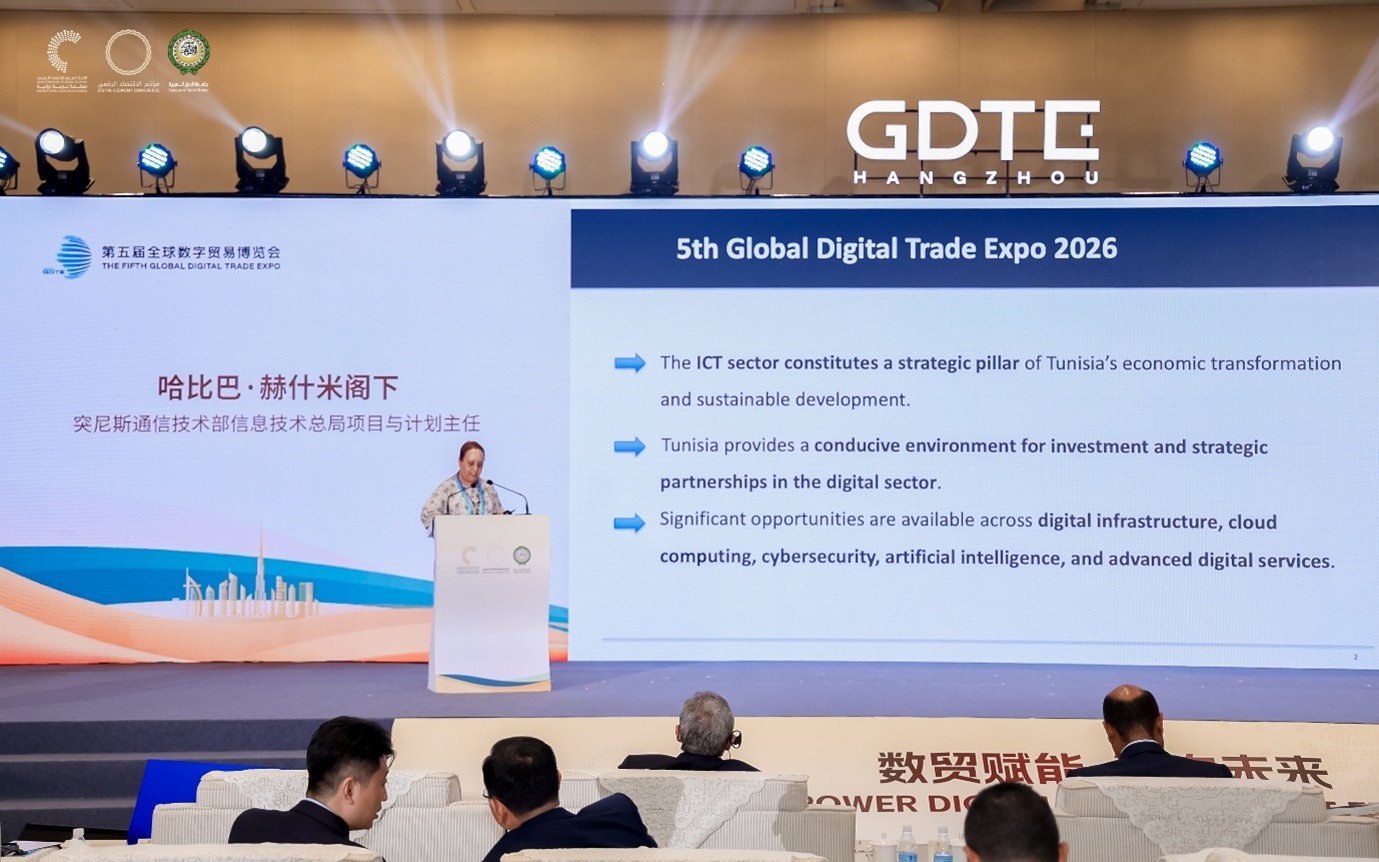
Habiba El Hachemi, Director General of Projects and Programs at the Tunisian Ministry of Communication Technologies , also gave a presentation on investment opportunities in Tunisia, highlighting its human and technological resources and the potential for developing projects and partnerships in the digital economy, technology, and services sectors. Her presentation emphasized Tunisia’s focus on small and medium-sized enterprises (SMEs) and startups, and the opportunities they offer for the future.
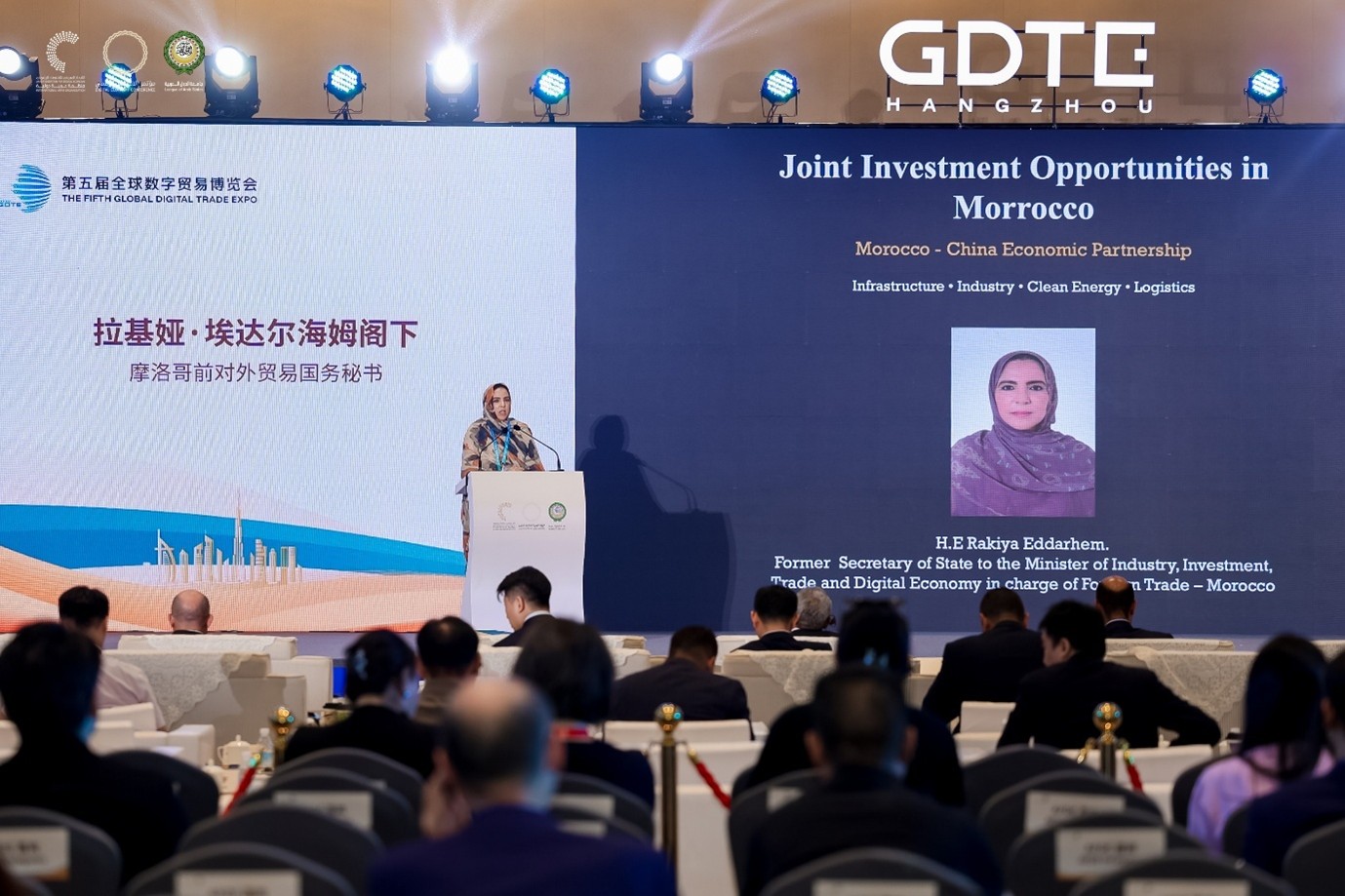
The presentations by the Arab countries concluded with the participation of Her Excellency Rkia Derham, the former Moroccan Minister in charge of Foreign Trade , who reviewed the investment and cooperation opportunities that Morocco provides, its position as a gateway to regional markets, especially with African and European countries, and what the growing economic and trade relations with China can offer in terms of new areas for investment and partnerships between companies from both sides.
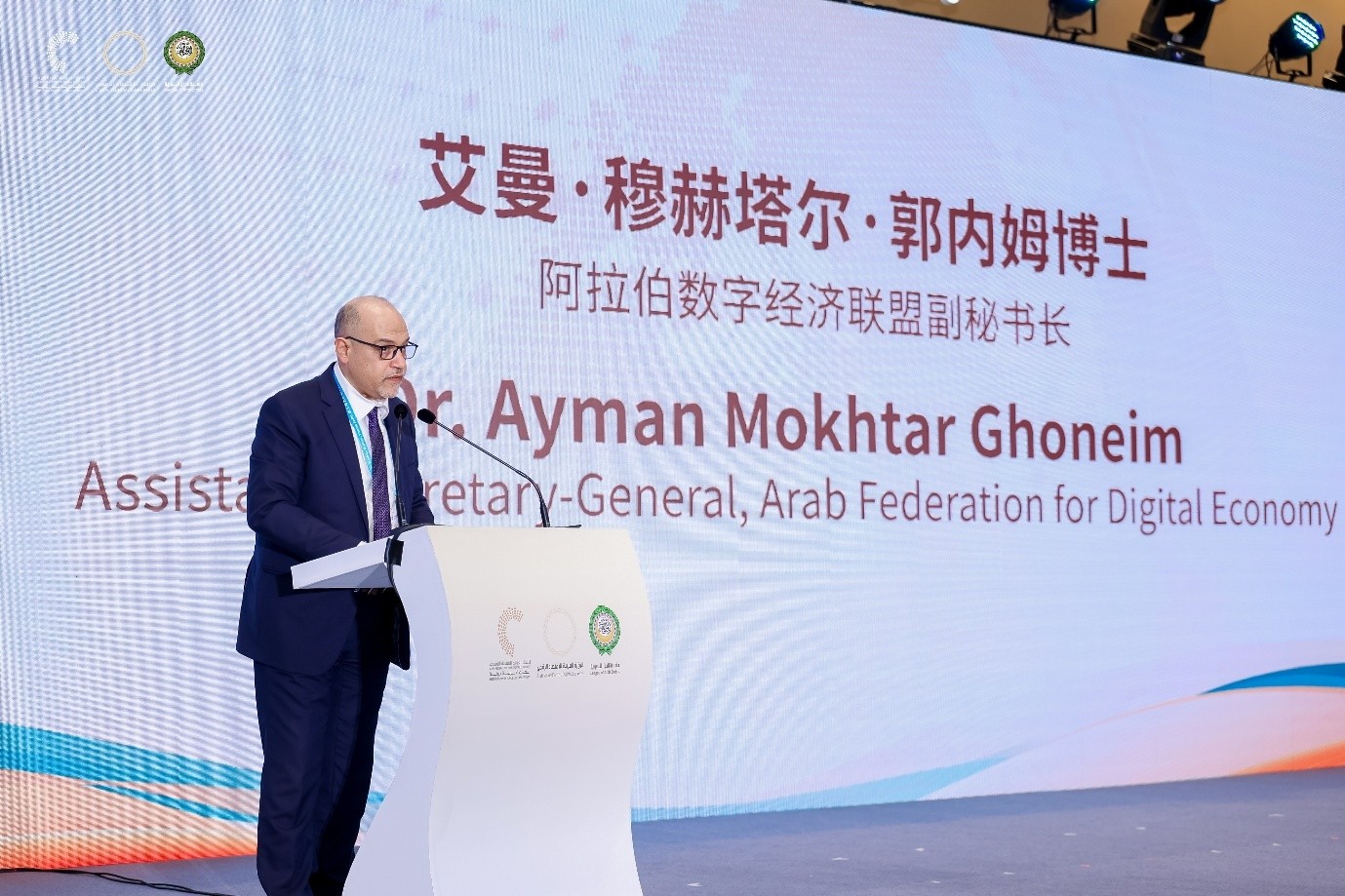
The opening session, along with the high-level presentations and investment opportunities sessions, formed a diverse mix that combined political and institutional vision on the one hand, and the presentation of investment and business opportunities on the other , to lay a practical foundation for the China-Arab dialogue on the digital economy, technology and investment.