



Hangzhou – China
The third session of the first China-Arab Digital Dialogue in Hangzhou explored ways to build more efficient corridors for e-commerce and digital trade between China and Arab countries, in light of the rapid growth of digital platforms and cross-border payments, and the new opportunities that these tools provide for small and medium enterprises.
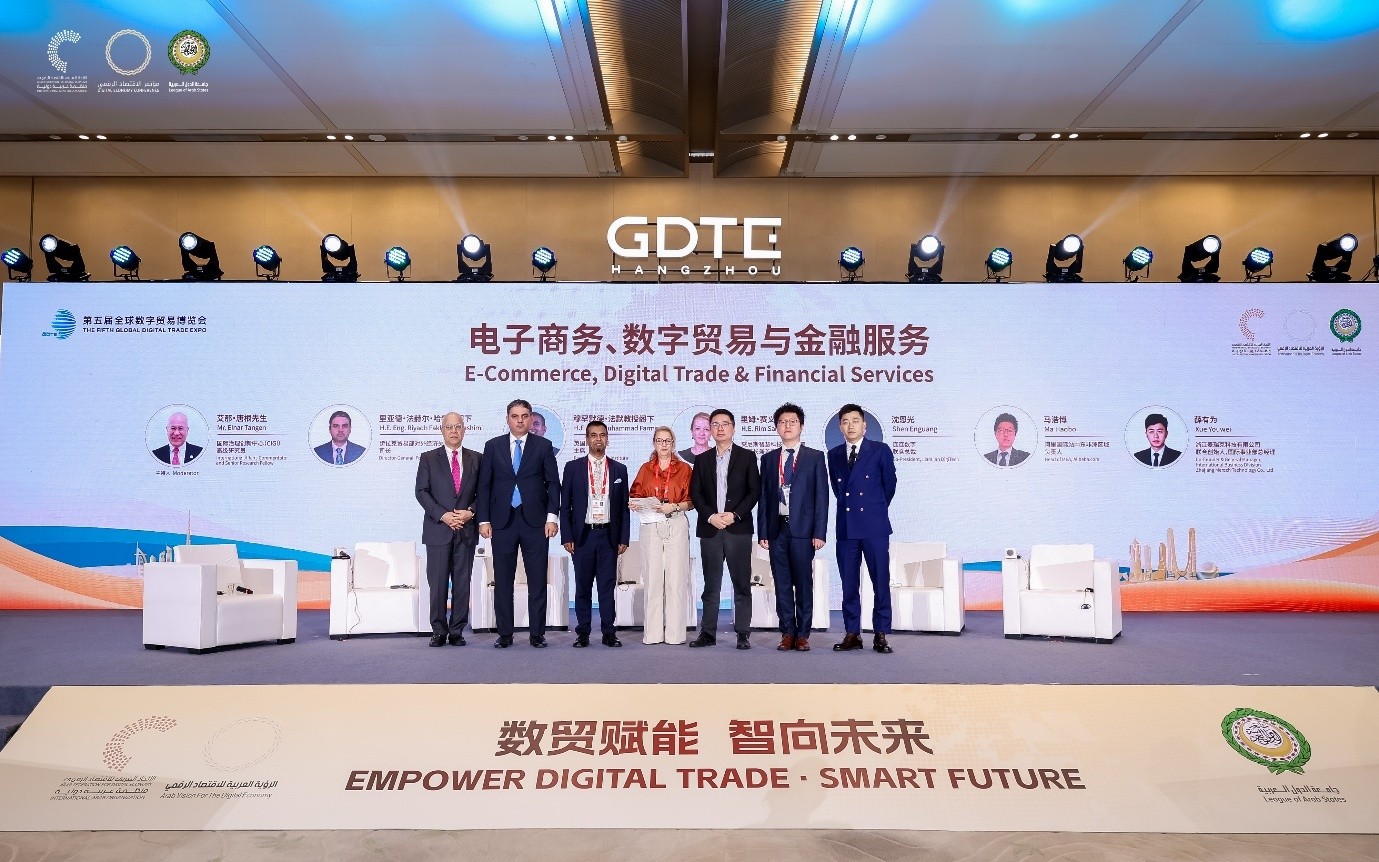
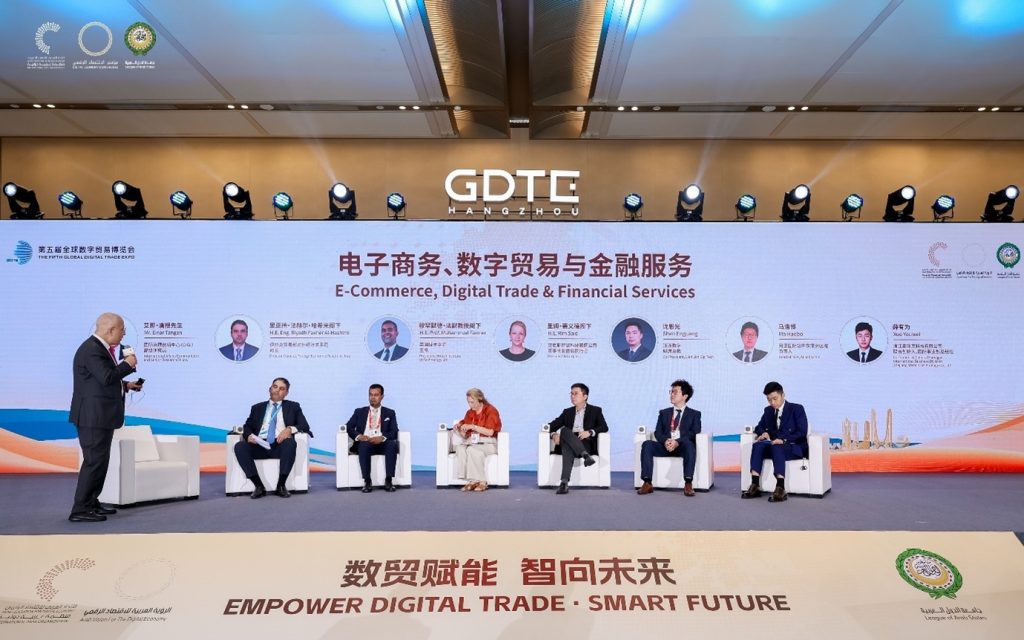
The session, titled “E-commerce, Digital Commerce and Financial Services ,” was held as part of the forum organized by the Arab Federation for Digital Economy at the Global Digital Trade Fair (GDTE), and was moderated by Einar Tangen from Asia Narratives .
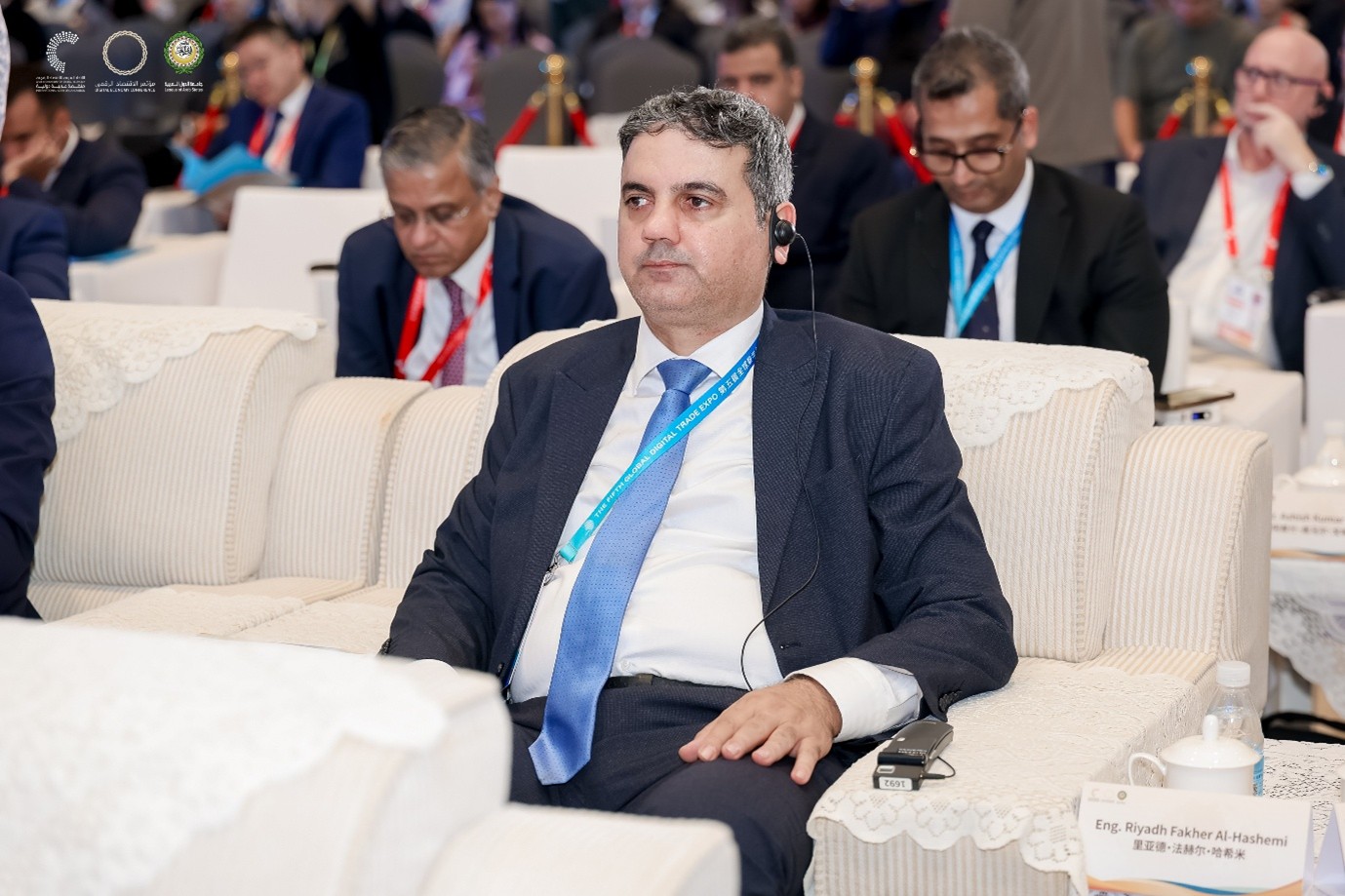
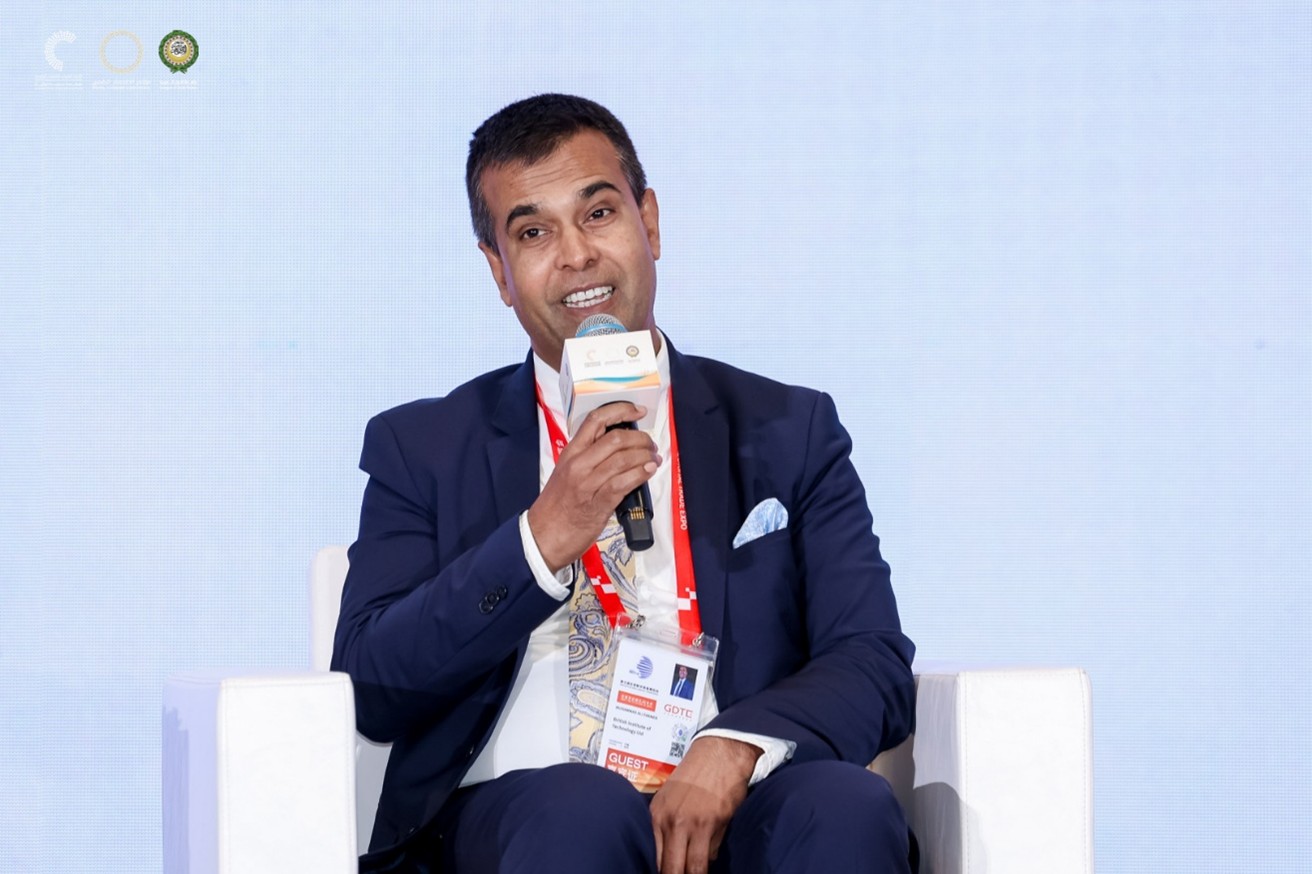
The session included Engineer Riyadh Fakher Al-Hashemi, Director General of Foreign Economic Relations at the Iraqi Ministry of Trade, Professor Mohamed Farmer from the British Institute of Technology in London, and Reem Saeed, President and CEO of S2T in Tunisia.
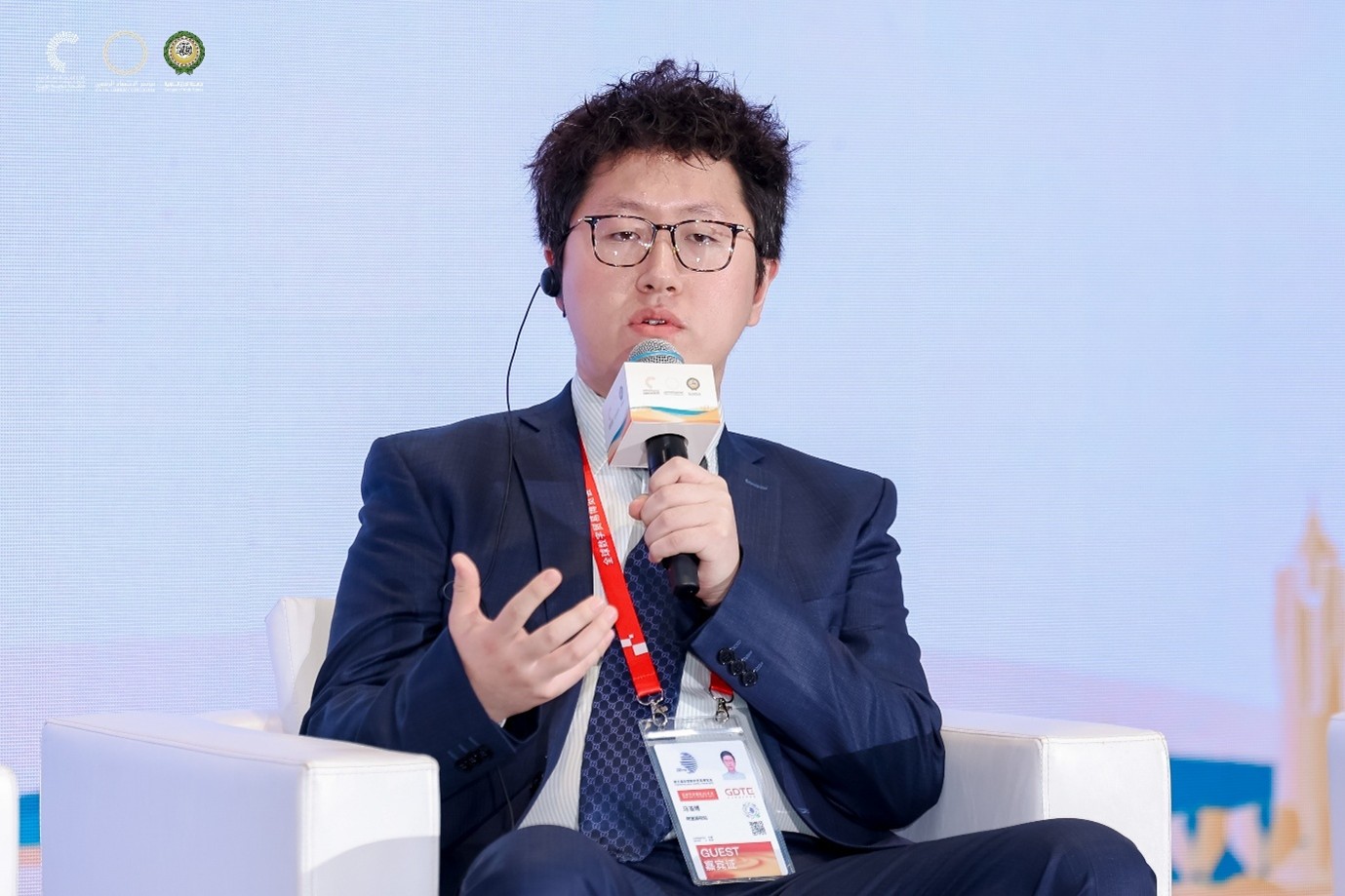
From China, Mr. Shen Enguang, Co-President of LianLian DigiTech , Ma Haobo, President of the Middle East and Africa region at Alibaba , and Xu Yue, Co-founder of Zhejiang Merrick Technology , participated.
The dialogue discussed one of the main challenges to expanding digital trade between the two regions, which is the transition from the ability to communicate between buyers and sellers to the ability to complete the entire business transaction reliably and quickly , including payment, settlement, compliance, identity, authentication and logistics.

The session also addressed the challenges faced by small and medium-sized enterprises (SMEs) when entering new markets, including a lack of local knowledge, regulatory and compliance requirements, different payment systems, and the need to build trust between parties who may not have previous business relationships.
The growth of Chinese e-commerce represents an important opportunity for Arab markets, not only because China is a source of goods and technology, but also because it is a market that Arab companies and products can access more easily through digital commerce platforms and networks.
The discussions highlighted the importance of building digital trade corridors that can combine the trading platform, payment, verification, financial services, logistics, and data, thereby reducing friction in cross-border trade and expanding the participation of smaller companies.
The session also discussed the importance of interoperability between payment and settlement systems, the impact of regulation, currencies and compliance requirements on transaction speed, as well as the need to build professional skills and standards that enable companies to deal efficiently with new digital markets.
The Arab Federation for Digital Economy is committed to developing practical platforms and mechanisms that connect Arab institutions and markets with international partners, based on the premise that the true digital transformation of trade is not achieved simply by moving sales operations to the Internet, but rather by redesigning the entire trade chain to become more efficient, transparent, and able to access new markets .
The discussions reflected a clear trend towards building a more technology-driven China-Arab trade, so that digital platforms transform from tools for identification and communication into an actual structure for conducting, financing, and settling business across borders .