



Hangzhou – China
The fourth session of the first China-Arab Digital Dialogue discussed the growing opportunities for cooperation between China and Arab countries in the fields of green technology, new energy and low-carbon infrastructure, with a focus on how to transform these opportunities into projects that are investable, operational and localized.
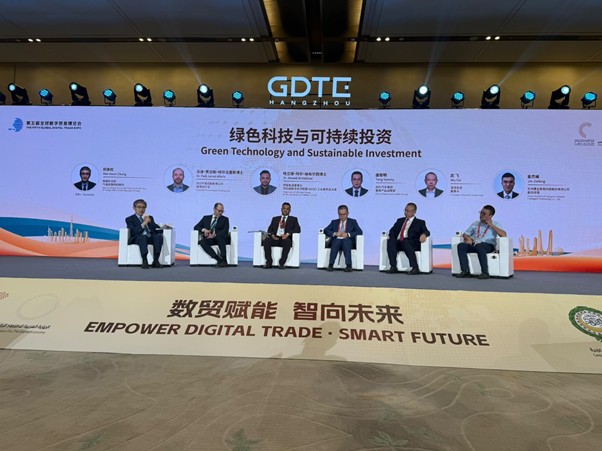
The session was titled “Green Technology and Sustainable Investment ,” and was moderated by Mr. Ray Kwon Chung, an expert and consultant in climate policies from the Republic of Korea, with the participation of leaders from Arab and Chinese companies and institutions working in the environment, energy, manufacturing and new vehicles sectors.
From the Arab side, Dr. Fadi Jamal Al-Fares, CEO of SEE Environment Holding , and Dr. Khaled Al-Nabulsi, CEO of Ultimate Power and Chairman of the Industrial Committee of the Arab Federation for Digital Economy, participated.
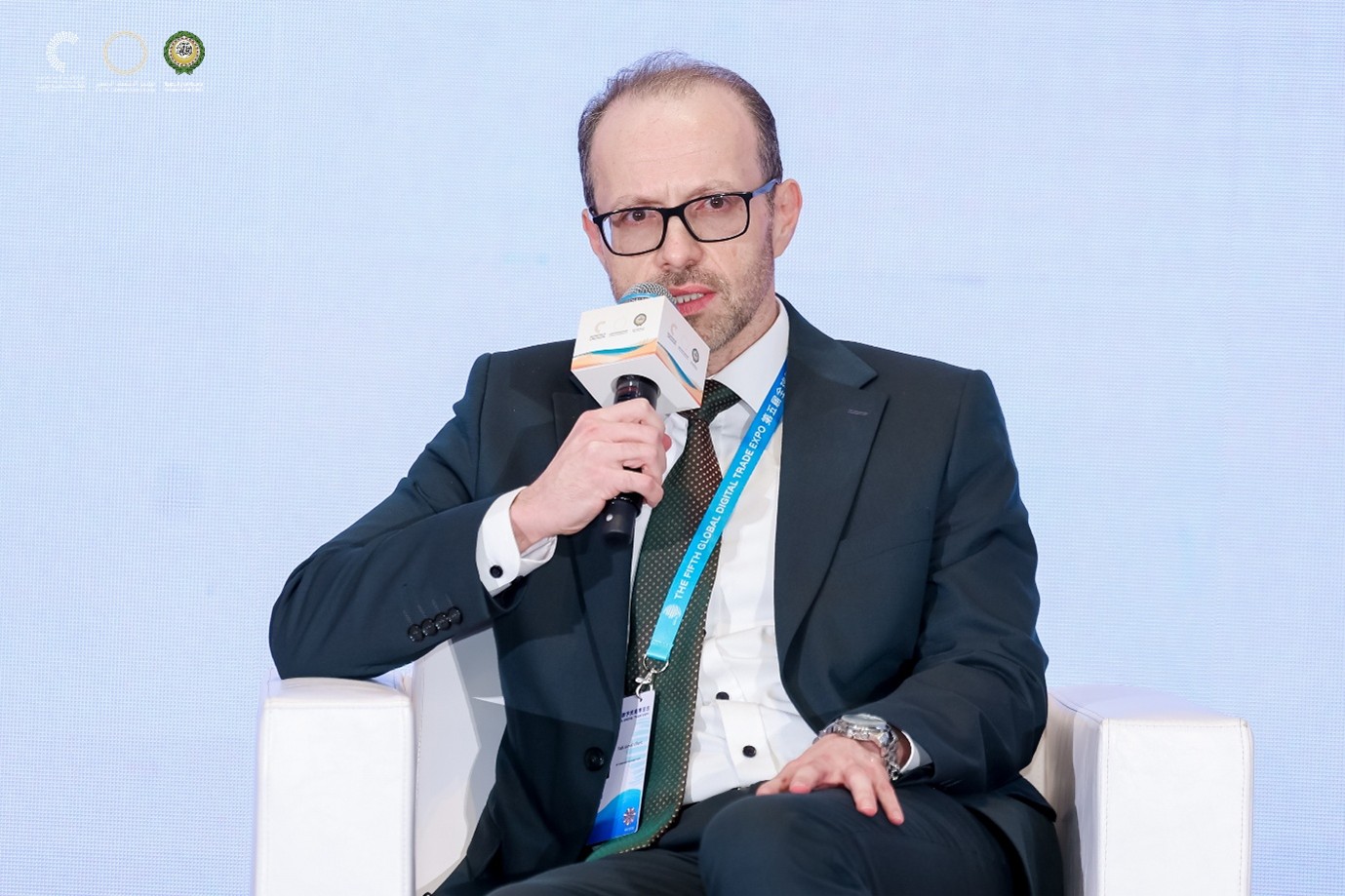
On the Chinese side, Mr. Jin Jifeng, Deputy General Manager of Hangzhou Jingye Intelligent Technology , and Mr. Tang Liming, Head of Products at Geely Automobile Group , participated .
The dialogue focused on the fact that the transition to a green economy is no longer based on a single technology, but rather depends on the integration of new energy, smart manufacturing, infrastructure, data management, new vehicles, operating systems and finance .
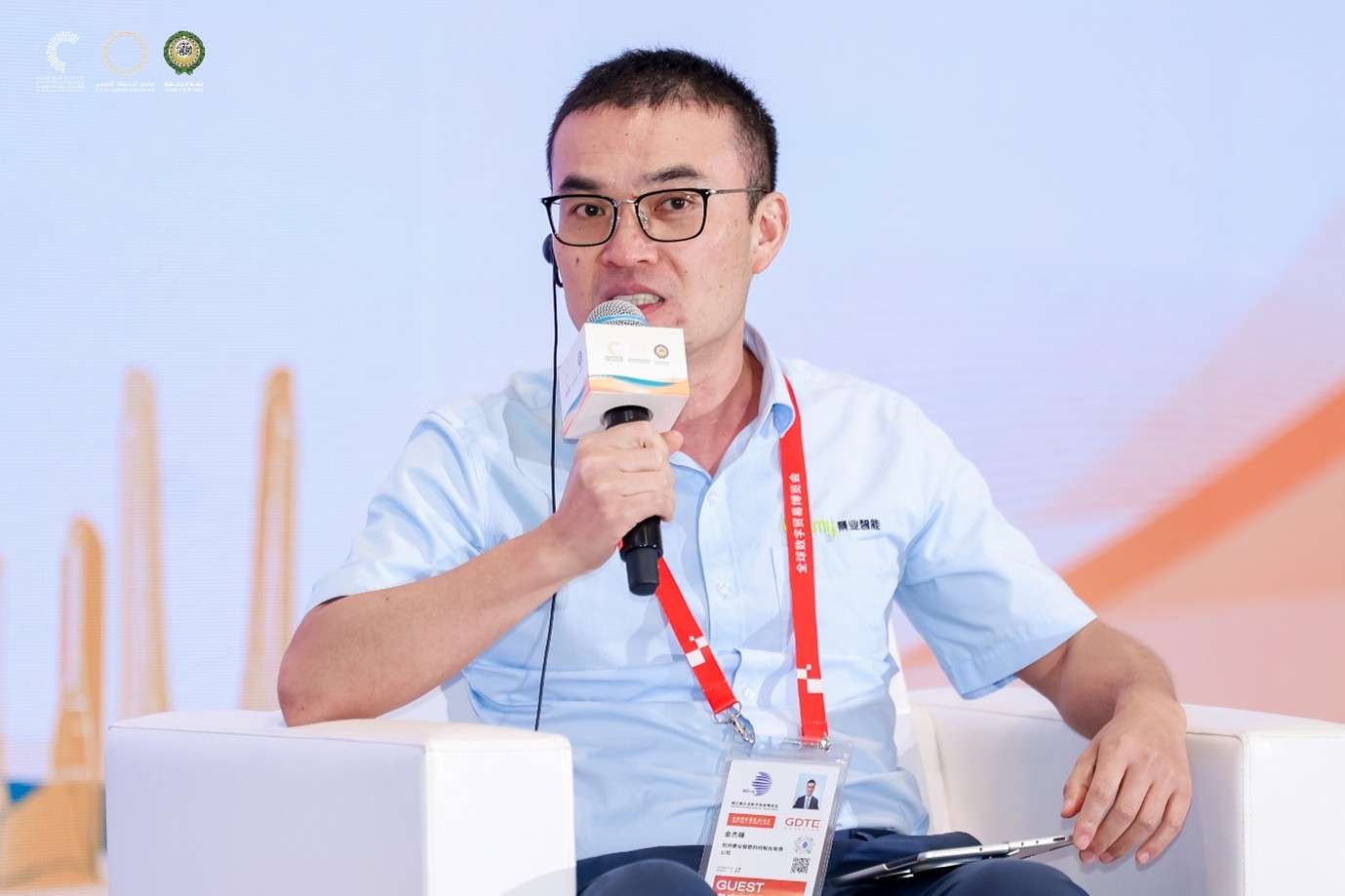
On the Chinese side, Mr. Jin Jifeng, Deputy General Manager of Hangzhou Jingye Intelligent Technology , and Mr. Tang Liming, Head of Products at Geely Automobile Group , participated .
The dialogue focused on the fact that the transition to a green economy is no longer based on a single technology, but rather depends on the integration of new energy, smart manufacturing, infrastructure, data management, new vehicles, operating systems and finance .
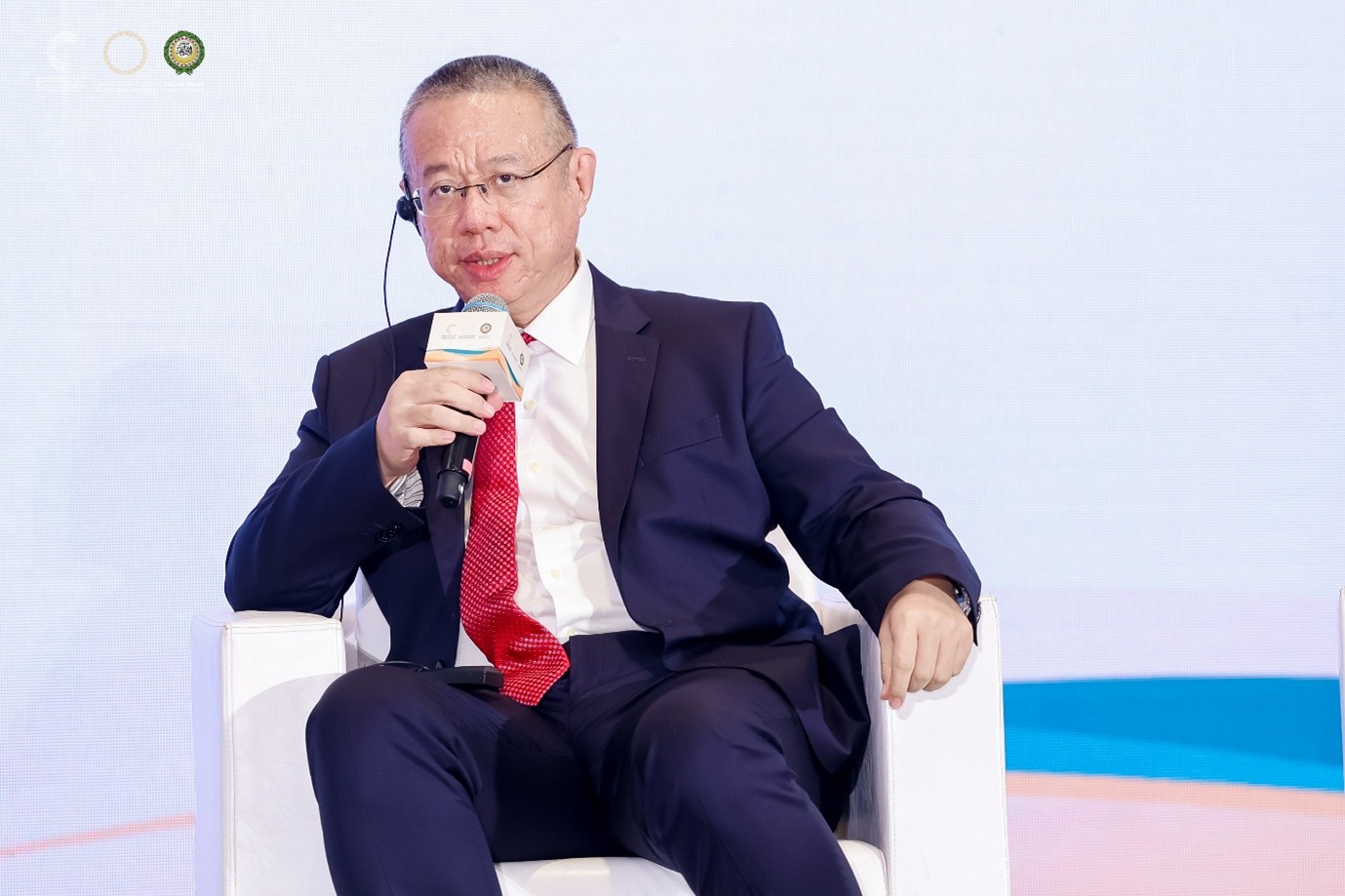
The discussions addressed the Arab region’s needs for developing more resource- and energy-efficient cities and infrastructure, and what Chinese industrial expertise could provide in terms of viable and scalable solutions for these markets.
The session also discussed how to move from a model based on importing equipment or technology to deeper partnership models that include investment, operation, assembly or local manufacturing and knowledge transfer, especially when projects are linked to long-term contracts or require ongoing operation, maintenance and financing services.
The issue of project viability received special attention, as the success of green energy and technology projects is linked not only to the quality of the technology, but also to the existence of a clear economic model, appropriate financing, a local partner capable of dealing with the regulatory and market environment, and a mechanism that reduces the risks of entry and expansion.
The session also addressed the development in the new energy vehicle sector, which is increasingly moving from selling the vehicle as a single product to building a more comprehensive system that includes charging, infrastructure, digital services, data, supply chains, maintenance and manufacturing.
This discussion comes in light of China’s advanced position in a number of industries related to new energy, vehicles and manufacturing, in parallel with growing investments in Arab countries in clean energy, future cities and sustainable infrastructure.
The Arab Federation for Digital Economy is working to link digital transformation with broader industrial and economic transformations, based on the fact that new green technologies are increasingly dependent on data, artificial intelligence, and digital control and operating systems , making them a key part of the new digital economy.
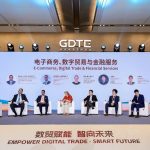
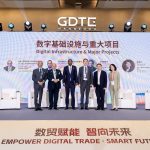
The session concluded the forum’s series of specialized dialogues, following a day that brought together issues of artificial intelligence, robotics, digital infrastructure, e-commerce and sustainable investment, in an attempt to develop a comprehensive picture of the sectors that could form the basis of the next phase of economic and technological cooperation between China and the Arab world.