



Tunisia
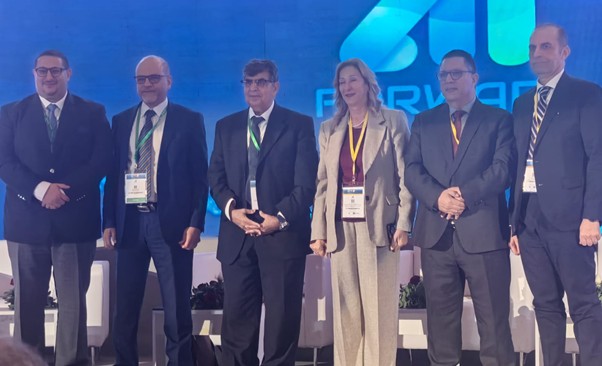
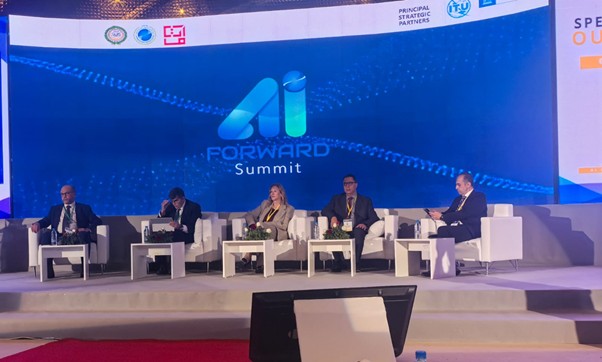
During the main session of the Artificial Intelligence Summit in Tunisia, the Arab Federation for Digital Economy presented a recent digital analysis that revealed a wide gap in the Arab region’s readiness to absorb artificial intelligence technologies, despite the great economic opportunities available.
Dr. Ayman Mokhtar Ghoneim, Assistant Secretary-General of the Federation, presented an overview of key indicators related to the Arab digital economy. He explained that the current value of the digital economy in the region is estimated at approximately $200 billion, with expectations of it rising to $1 trillion within the next five years. He also noted that artificial intelligence could add nearly $320 billion by 2030 if the appropriate infrastructure is in place.
Dr. Ghoneim stressed that the benefit to Arab countries from this boom is not equal, noting that countries such as the United Arab Emirates and the Kingdom of Saudi Arabia may see the contribution of artificial intelligence to their GDP reach 14%, while the percentage does not exceed 1% in other countries, which reflects a clear gap in investment and technological infrastructure.
He highlighted data centers as the “ruling element” of the AI economy, explaining that the Arab world’s data capacity is only 6.8 megawatts per million inhabitants, compared to 15 megawatts globally, 50 megawatts in China, and 206 megawatts in the United States. He stated that current plans to triple capacity are “insufficient,” emphasizing the need to increase capacity eightfold within five years to keep pace with global transformations.
Dr. Ghoneim also called for investment in human capital through extensive training programs aimed at preparing Arab youth to work in developing artificial intelligence technologies, in addition to the need to adopt coordinated Arab legislation that encourages innovation and ensures a safe environment for digital transformation.
He stressed that developing a unified legislative system and expanding incentives for digital investment are essential steps to creating an integrated Arab digital market capable of competing globally.