



Source: Al-Wafd Newspaper
Prof. Dr. Ali Mohammed Al-Khouri
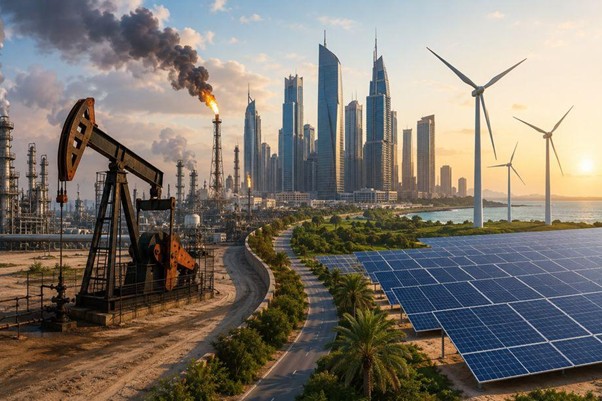
The Arab world has never been poor in resources. It possesses some of the world’s largest oil and gas reserves, overlooks some of the most vital maritime trade routes, and boasts a strategic geographic location connecting three continents, in addition to a large, young population. However, these assets, important as they are, have not been sufficient on their own to create the economic transformation that the countries of the region aspire to.
What distinguishes the current phase is that the challenges are no longer the same as those faced by Arab economies thirty or forty years ago. Previously, the focus was on building infrastructure, providing basic services, and developing government institutions. Today, however, competition is taking place in different areas: technology, innovation, artificial intelligence, global supply chains, and the ability to produce knowledge and transform it into economic value.

Therefore, the issue of resource management seems more important today than the resources themselves. Recent economic experiences show that the countries that have achieved significant developmental leaps were not necessarily the richest in terms of natural resources, but rather the most capable of building effective institutions, developing education systems, and creating environments that allow new ideas to grow and transform into productive projects and economies.
Over the past decades, many Arab economies have benefited from oil and gas revenues, using them to build cities, roads, ports, and services. Some countries have achieved significant progress in this area. However, the transformations taking place in the global economy today necessitate a re-evaluation of many prevailing economic assumptions. Natural resources, however important, cannot alone provide sufficient employment opportunities for future generations, nor can they guarantee competitiveness in a world where the sources of economic power are changing rapidly.
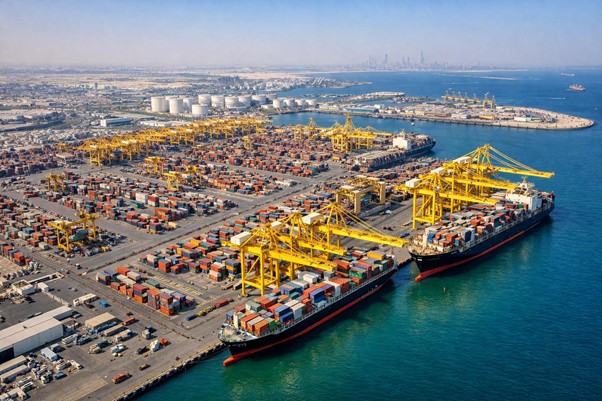
Therefore, the issue of economic diversification appears more complex than it is usually presented. It is not simply a matter of creating new economic activities or increasing the contribution of an existing sector, but rather of building activities capable of producing genuine added value and competing beyond the confines of domestic markets. Many economies have been able to grow when the prices of their goods or resources have risen, but far fewer have been able to sustain growth when global conditions have changed.
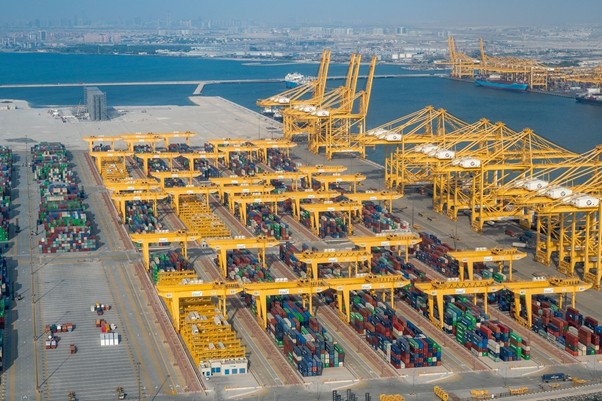
The experience of recent decades has also shown that investment in infrastructure alone is insufficient. While modern cities, airports, and ports are important elements in the development process, they cannot, on their own, create a competitive economy. This explains the growing global focus on education, scientific research, technology, and new skills, which are now central to a nation’s economic strength.
In the Arab world, one of the main problems lies in the nature of educational outcomes. Many Arab economies face clear structural imbalances: increasing numbers of graduates coupled with a difficulty in finding the skills needed by the markets. This gap has become one of the most influential issues affecting the ability of economies to grow, attract investment, and develop new sectors.
Furthermore, rapid technological advancements are creating a different reality in labor markets. Jobs that were in demand just a few years ago are changing rapidly, while new specializations are emerging that didn’t exist before. This means that the economies that will succeed in the future will not be those that focus solely on traditional education, but rather those that can cultivate a culture of continuous learning, development, and skills acquisition.

On the other hand, the private sector remains a central topic in discussions about the future of the economy. International experience shows that governments can set policies, build infrastructure, and provide a conducive environment, but they cannot single-handedly drive economic activity in the long term. Therefore, the private sector’s capacity for expansion, innovation, and job creation remains a key determinant in any economic transformation process.
But this isn’t limited to large corporations. In many advanced economies, a significant proportion of new jobs have come from small and medium-sized enterprises (SMEs) and startups. This sector continues to face numerous challenges in several Arab economies, related to financing, regulatory procedures, market access, and the ability to scale.
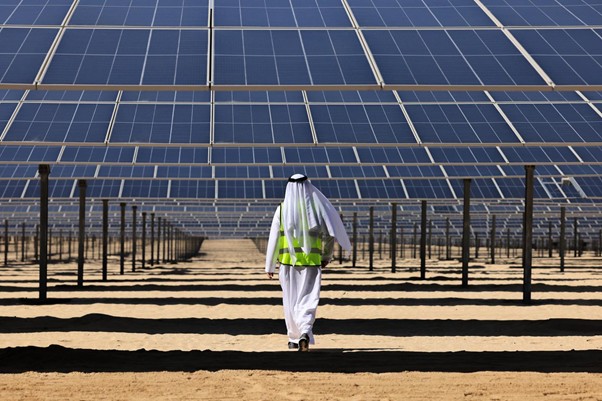
At the same time, climate change poses challenges no less significant than traditional economic ones. The Arab region is among the world’s most vulnerable to water scarcity, rising temperatures, and environmental pressures. Therefore, economic thinking in the coming decades must not be divorced from issues of water, energy, food, and natural resources.
The issue of Arab economic integration remains a pressing one. Most Arab economies operate within relatively small national markets compared to the world’s major economic blocs. While global trade and investment flow within large blocs and markets, the Arab region is still far from fully realizing the potential of regional economic cooperation.
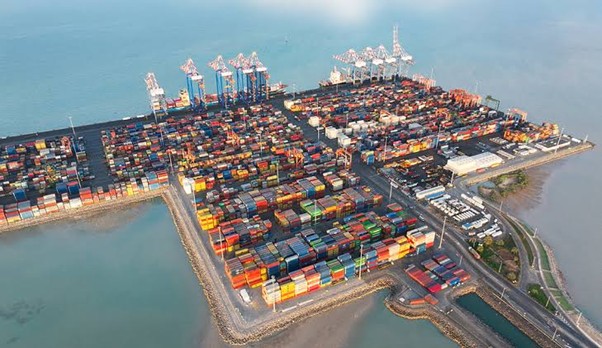
When considering these challenges collectively, the core issue is not whether Arab economies possess the resources necessary for development, but rather how they will transform those resources into sustainable sources of growth, production, and competitiveness. The world today does not suffer from a shortage of capital, technology, or knowledge, but rather from a disparity in the ability to utilize these assets within a long-term vision.
Therefore, it can be argued that the future of the Arab economy will not be determined solely by the size of its natural resources, but also by its ability to develop more efficient institutions, an education system more aligned with economic realities, business environments more receptive to new initiatives, and policies that view global changes as opportunities to be seized rather than challenges to be anticipated. It is important to understand that economic history does not distinguish between resource-rich and resource-poor nations, but rather between societies that have effectively utilized their resources and those that have remained dependent on what circumstances have provided for a period of time.