



Bishkek
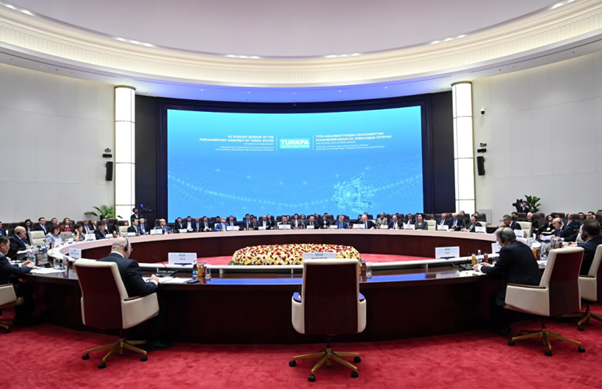
On October 20, 2026, the Kyrgyz capital, Bishkek, witnessed the convening of the fifteenth session of the Parliamentary Assembly of Turkic States (TURKPA), with the participation of heads of parliaments, legislative delegations and representatives of international and regional organizations, under the slogan: Parliamentary Cooperation in the Turkic World in the Age of Artificial Intelligence and Technological Progress.
The session addressed the role of legislative institutions in keeping pace with technological advancements and the importance of developing legal frameworks to regulate modern technologies. The agenda also included several draft model laws related to protecting industrial property rights, safeguarding children from harmful content, and regulating joint ventures—topics connected to developing the legislative environment for the digital economy and protecting rights amidst the expanding use of technology.
These discussions come at a time when international cooperation is increasingly important for developing legislation and policies regulating artificial intelligence, particularly with regard to data governance, privacy protection, accountability for the use of smart systems, and creating a regulatory environment that encourages innovation and investment and reduces the risks associated with modern technologies.
These issues intersect with the priorities of the Arab Federation for Digital Economy and its efforts to support the development of digital policies and legislation in Arab countries, and to expand cooperation with regional and international institutions to exchange experiences and regulatory practices, in order to create an economic and legislative environment capable of absorbing technological developments and benefiting from their developmental and investment opportunities.
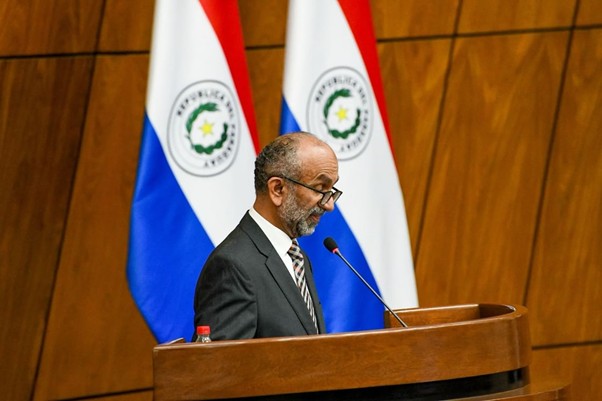
In his address to the session, His Excellency Ahmed bin Mohammed Al Jarwan, President of the Global Council for Tolerance and Peace, called for expanded cooperation among parliamentary institutions to develop legal and ethical frameworks for the responsible use of artificial intelligence. He emphasized the importance of protecting societies from misinformation and hate speech, and ensuring that technological applications are subject to legal controls and human oversight, thereby guaranteeing respect for human rights and values.
The topics covered in the course indicate the growing international interest in the legislative, economic and social implications of artificial intelligence, and the need to develop regulatory frameworks that keep pace with technological progress and provide greater clarity for institutions, investors and users.
For Arab countries, these developments represent an opportunity to benefit from international legislative experiences and develop more compatible Arab frameworks in the areas of artificial intelligence governance, data protection and regulation of digital services, in a way that serves Arab economic integration and supports the growth and competitiveness of the digital economy.